
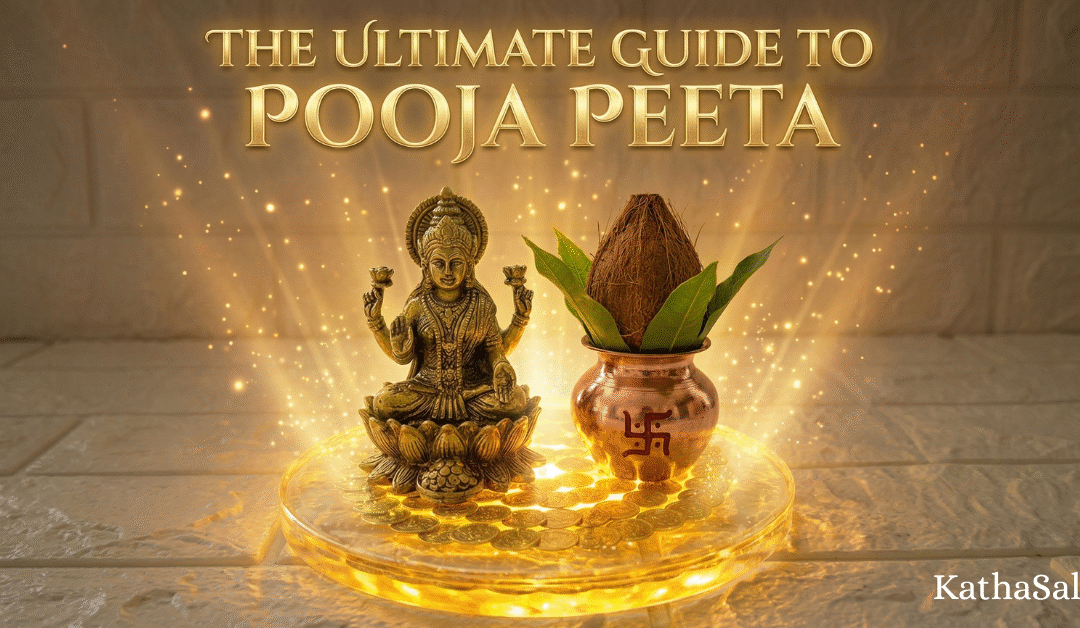
In every Hindu household, the Pooja room is the spiritual heart of the home. While we often focus on the beauty of the idols and the glow of the lamps, the foundation of the entire setup is often overlooked: the Pooja Peeta (also known as a Pooja Chowki or Divine Pedestal).
In this in-depth guide, we explore why a Pooja Peeta is an essential part of your daily Sadhana and how it helps invite prosperity and peace into your living space.
Discover the elegance of Handcrafted Pooja Peeta for your Hindu religious ceremonies. Our Pooja Peeta collection offers to enhance your spiritual practices.
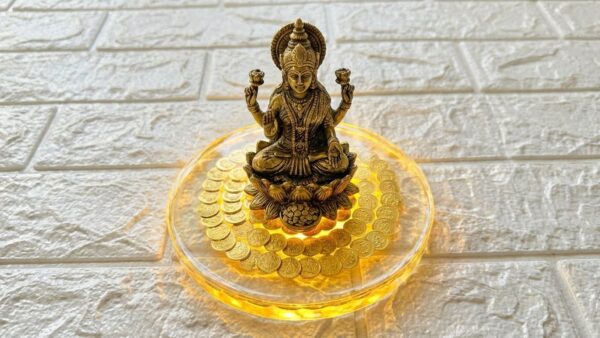
Lakshmi Peeta Idol Stand with 108 Lakshmi Kubera Coins
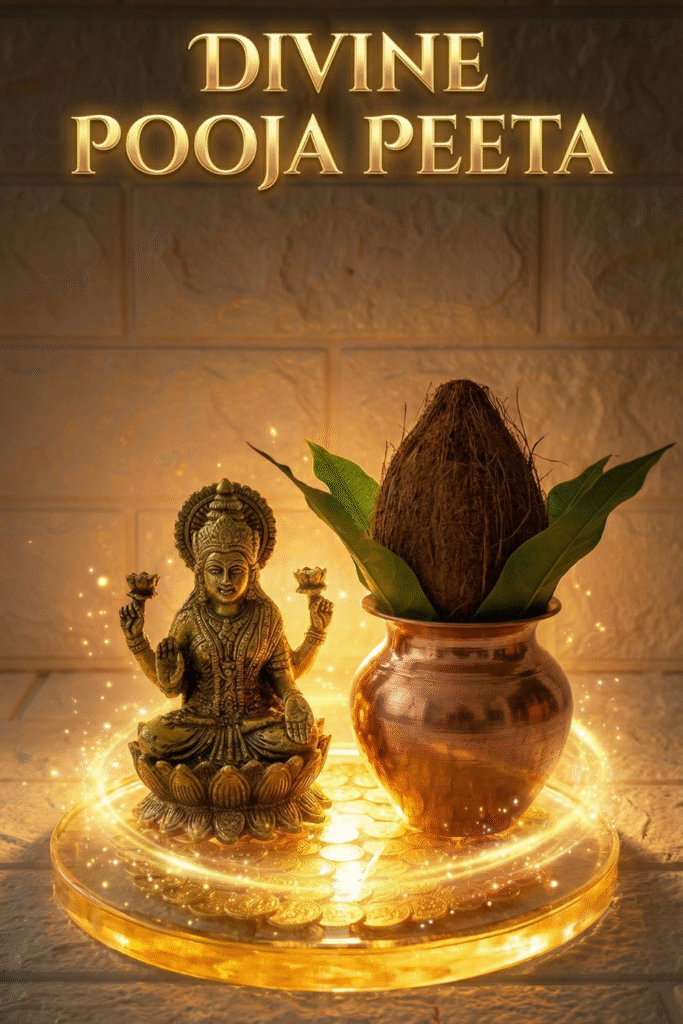
Invite endless abundance and divine grace into your space with the Lakshmi Peeta Idol Stand, handcrafted and infused with 108 Lakshmi Kubera coins. Designed as a spiritual base for idols, it radiates wealth energy, devotion, and prosperity — a true symbol of Akshaya (never-ending) fortune.
1. What is a Pooja Peeta?
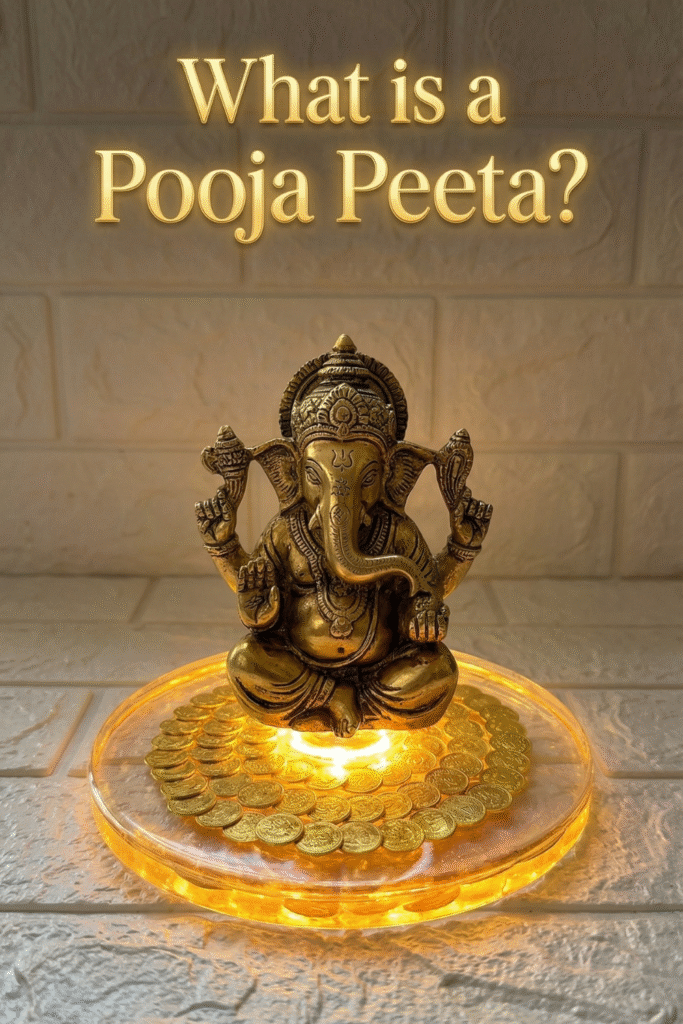
A Pooja Peeta is a raised platform or pedestal used to place deities, sacred photos, or the Kalash during rituals. Derived from the Sanskrit word Asana (seat), it serves as a “Simhasana” or throne for the divine. According to ancient traditions, placing an idol directly on the floor is considered disrespectful; a Peeta ensures the deity is seated with honor.
2. The Pooja Peeta Spiritual & Vastu Significance
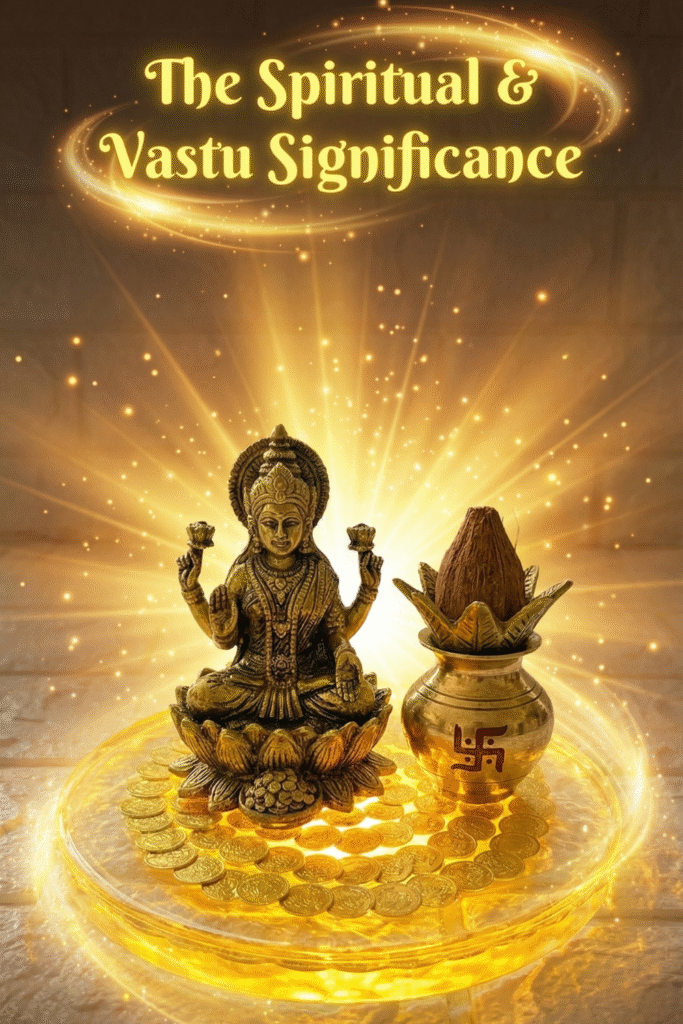
Using a Pooja Peeta isn’t just about aesthetics—it has deep-rooted spiritual and scientific reasons:
- Respect and Devotion: Offering a dedicated seat to the Almighty is a mark of high honor, treating the divine as a revered guest.
- Energy Flow (Prana): A raised platform allows for the proper circulation of spiritual energy around the idol. It prevents the “grounding” of positive vibrations, keeping the energy concentrated within the sacred space.
- Vastu Compliance: Vastu Shastra suggests that idols should ideally be placed at the level of the devotee’s chest. A Peeta helps achieve this height, facilitating a better eye-level connection during meditation and prayer.
- Grounding Positivity: Using materials like wood or stone helps ground the ritual’s energy, ensuring the home remains a sanctuary of peace.
3. Choosing the Right Material for Pooja Peeta
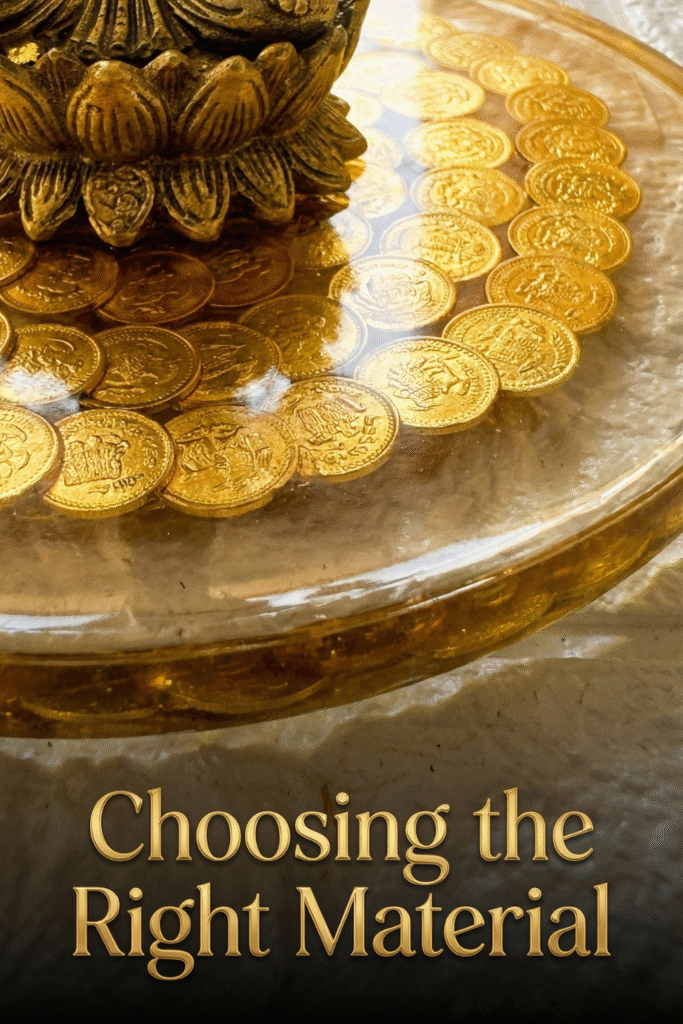
The material of your Pooja Peeta plays a vital role in the energy of your temple. Here is a comparison of the most popular options:
Comparison of Pooja Peeta Materials
| Material | Significance | Best For |
| Jackfruit Wood | Extremely auspicious; known for its “Madi” (purity). | Traditional rituals, Upanayanam, and Weddings. |
| Teak / Sheesham | Durable, resists pests, and has a natural warmth. | Daily home use and long-lasting family heirlooms. |
| Brass | Associated with Agni (Fire); attracts spiritual prosperity. | Heavy idols and elaborate festive decorations. |
| Marble | Represents purity and calmness; easy to clean. | Modern apartments and permanent temple setups. |
4. Where to Place Your Pooja Peeta (Vastu Tips)
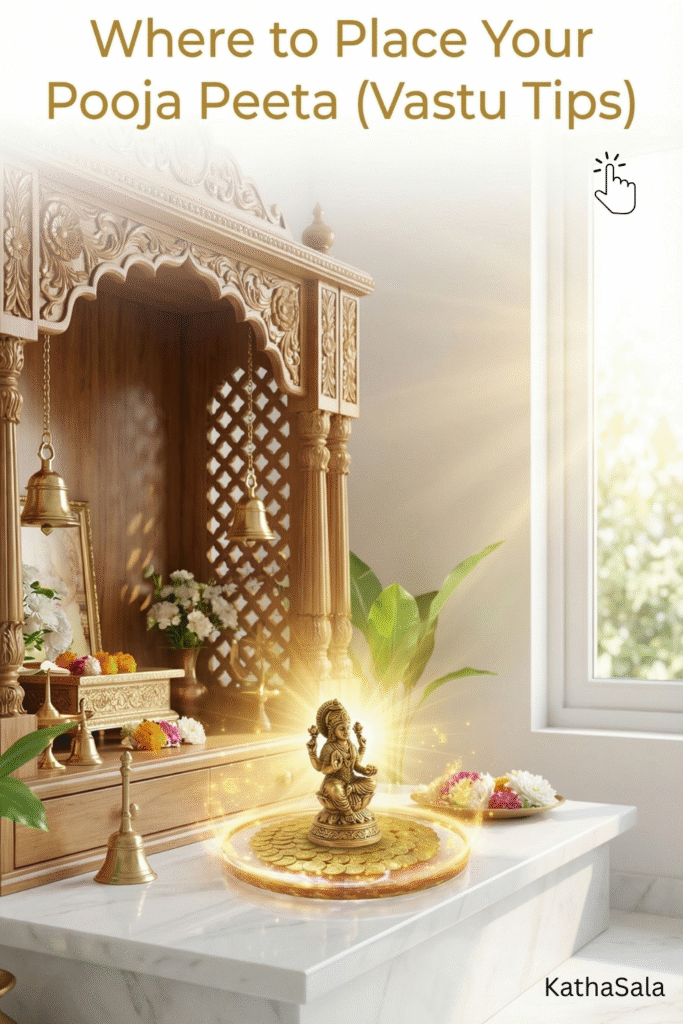
To maximize the benefits of your daily worship, follow these Vastu guidelines for idol placement:
- The Ideal Corner: Always place the Peeta in the North-East (Ishanya) corner of your house, which is considered the zone of supreme energy.
- Direction of Idols: Ensure the deities placed on the Peeta face East or North. This ensures that the devotee faces West or South while praying, which is considered auspicious.
- Height Matters: The Peeta should be high enough so that when you sit down to pray, the feet of the idol are at your chest level.
- Avoid These Spots: Never place a Pooja Peeta under a staircase, against a bathroom wall, or in the bedroom unless there is no other option (in which case, use a curtain).
5. Occasions to Gift or Buy a Pooja Peeta
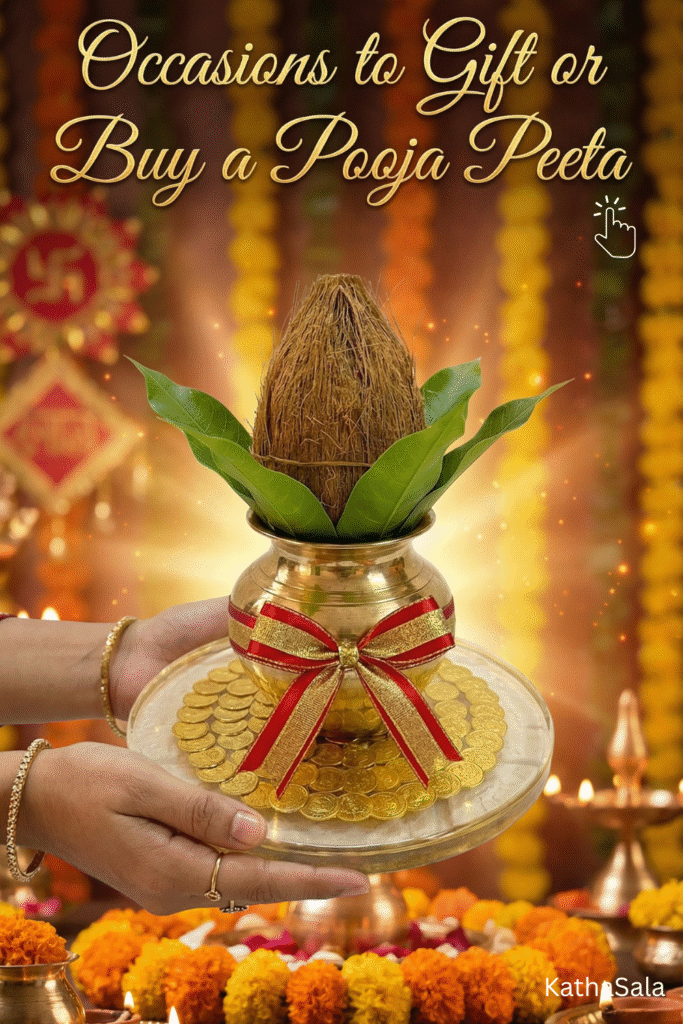
A beautifully crafted Pooja Peeta is more than a piece of furniture—it’s a spiritual investment. It is a perfect choice for:
- Housewarming (Gruhapravesham): To help the new residents establish their sacred space.
- Weddings: A traditional gift to help the couple start their spiritual journey together.
- Festivals: Especially during Varalakshmi Vratam Lakshmi Peeta, & Diwali, or Ganesh Chaturthi where a stable, elegant base is needed for the main deity.
6. Pooja Peeta Maintenance and Care
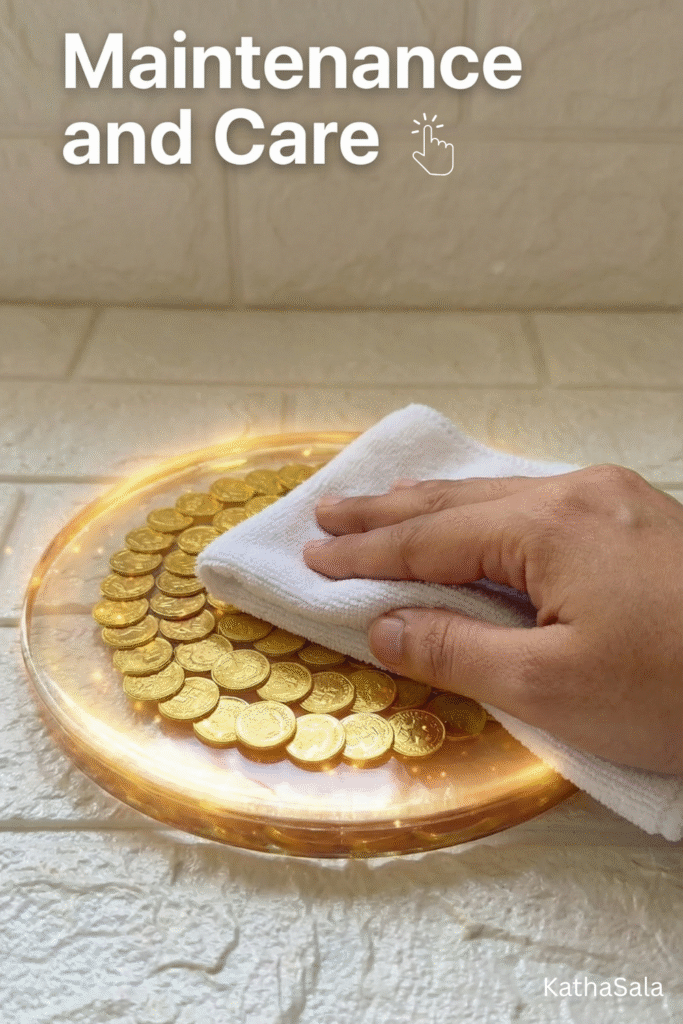
To keep the sanctity of your Pooja Peeta intact:
- Daily Cleaning: Wipe it with a clean, damp cloth. Avoid using harsh chemicals.
- Natural Polishes: For wooden Peetas, use a bit of coconut oil or sandalwood oil to maintain the shine and fragrance.
- Decor: Decorate the base with fresh flowers or organic Rangoli colors to attract positive vibrations.
Conclusion: The Pooja Peeta is the foundation of your devotion. By choosing a Peeta that aligns with Vastu and tradition, you create an environment that isn’t just beautiful, but also spiritually charged. Whether you prefer the rustic charm of Jackfruit wood or the royal appeal of Brass, your choice reflects the love and respect you hold for the divine.
Ready to Elevate Your Home Temple?
Explore our collection of handcrafted, Vastu-optimized Pooja Peetas and bring home the “Simhasana” your deities deserve.
-
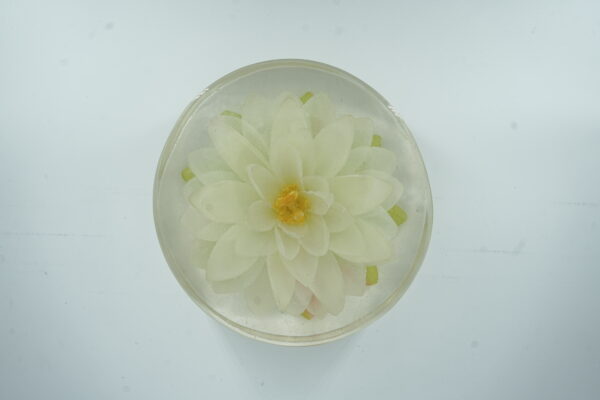
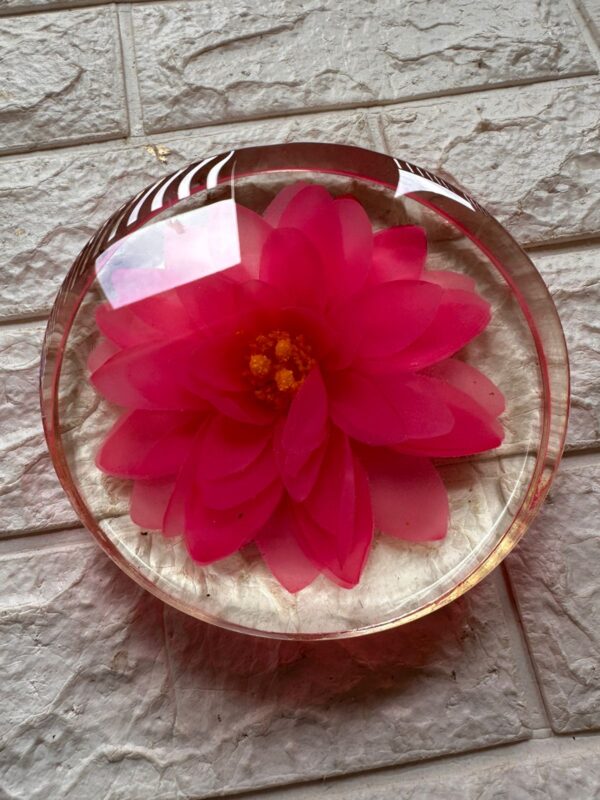
Brahma Kamal Flower Idol Stand for Pooja Room
Original price was: ₹3,599.00.₹2,499.00Current price is: ₹2,499.00. -
Lakshmi Kamal Flower Idol Stand for Pooja Room
Original price was: ₹3,599.00.₹2,499.00Current price is: ₹2,499.00. -
Lakshmi Peeta Idol Stand with 108 Lakshmi Kubera Coins
Original price was: ₹2,699.00.₹1,499.00Current price is: ₹1,499.00.
Also Check Out This Vidoe For More:
Frequently Asked Questions (FAQs) about Pooja Peeta
1. Why should I use a Pooja Peeta instead of placing idols directly on a shelf?
In Hindu tradition, placing a deity directly on the floor or a flat shelf is considered a sign of disrespect. A Pooja Peeta acts as a “throne” (Simhasana), elevating the divine presence. Spiritually, it creates a dedicated energy field, ensuring that the positive vibrations generated during prayer are concentrated around the idol.
2. Which wood is best for a Pooja Peeta?
While several woods can be used, Jackfruit wood is traditionally considered the most auspicious because it is believed to hold “Sattvic” (pure) energies. Teak wood and Sheesham are also highly recommended due to their durability, resistance to termites, and natural beauty.
3. What is the ideal height for a Pooja Peeta?
According to Vastu, the Peeta should be at a height where the feet of the idol are at the level of the devotee’s chest when sitting down to pray. This facilitates a direct heart-to-heart connection and helps in better concentration during meditation.
4. Can I use a metal Pooja Peeta instead of a wooden one?
Yes. Metal Peetas, particularly those made of Brass, Copper, or Silver, are excellent choices. Brass is associated with the fire element and is believed to attract spiritual prosperity. Metal Peetas are also easier to clean if you perform Abhishekam (ritual bathing) of the idols daily.
5. In which direction should the Pooja Peeta face?
The Peeta should ideally be placed in the North-East corner of the room. The idols placed on it should face East or North. This ensures that the person praying faces West or South, which is the most beneficial alignment for attracting positive energy.
6. How do I clean and maintain a wooden Pooja Peeta?
Dusting: Use a soft, dry microfiber cloth for daily dusting. Deep Cleaning: Occasionally wipe with a damp cloth, but dry it immediately to prevent wood rot. Shine: Rub a few drops of Sandalwood oil or Coconut oil into the wood to maintain its luster and keep it smelling divine. Avoid: Never use harsh chemical cleaners or detergents.
7. Is it okay to move the Pooja Peeta once it is set?
It is best to keep the Peeta in a fixed location to maintain the “Sthapana” (establishment) of energy. However, for cleaning or during special festivals like Ganesh Chaturthi or Varalakshmi Vratam, it is perfectly acceptable to move it, provided it is done with clean hands and a prayerful mindset.
8. Can a Pooja Peeta be used for purposes other than holding idols?
Yes, a Peeta (often called a Chowki) is versatile. It can be used to hold the Kalash, sacred scriptures (like the Bhagavad Gita), or even as a seat for a priest or the person performing the ritual during significant ceremonies.