
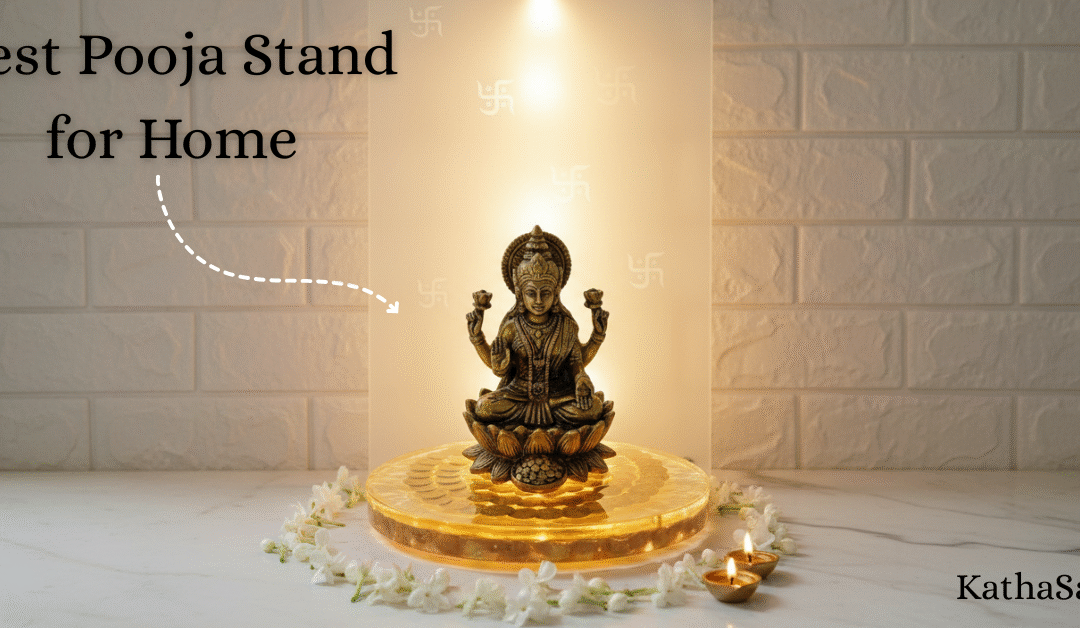
In every Indian household, the Mandir is the heart of the home. It’s where we start our day with a prayer and end it with gratitude. But as our homes evolve—becoming sleeker, smarter, and sometimes a bit more compact—the way we design our sacred spaces has changed too.
If you’re looking for the best pooja stand for home, you’re not just looking for furniture; you’re looking for a piece that blends spirituality with style. From traditional teak wood to modern backlit marble, let’s explore the top designs for 2026.
1. Why the Right Pooja Stand Matters
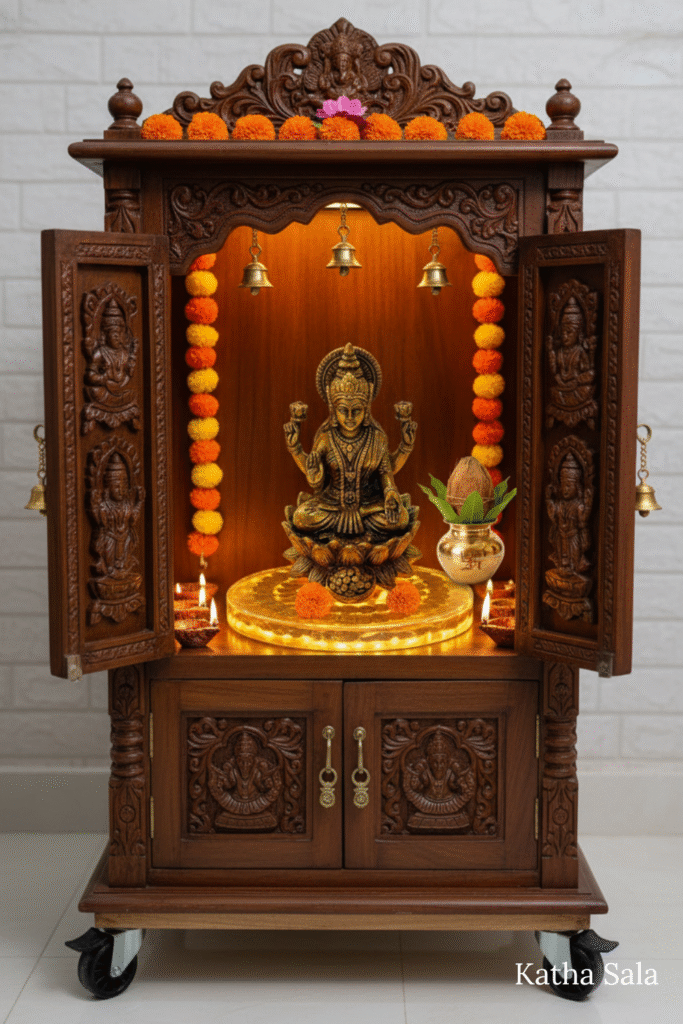
Your pooja stand isn’t just a shelf for idols. According to interior experts and Vastu practitioners, a well-chosen mandir:
- Enhances Focus: A dedicated, clutter-free space improves meditation and prayer.
- Elevates Home Decor: Modern designs act as a stunning focal point in living or dining areas.
- Invites Positive Energy: Proper placement and material choice are key to maintaining a “high-vibe” home.
2. Top 5 Trending Pooja Stand Designs for 2026
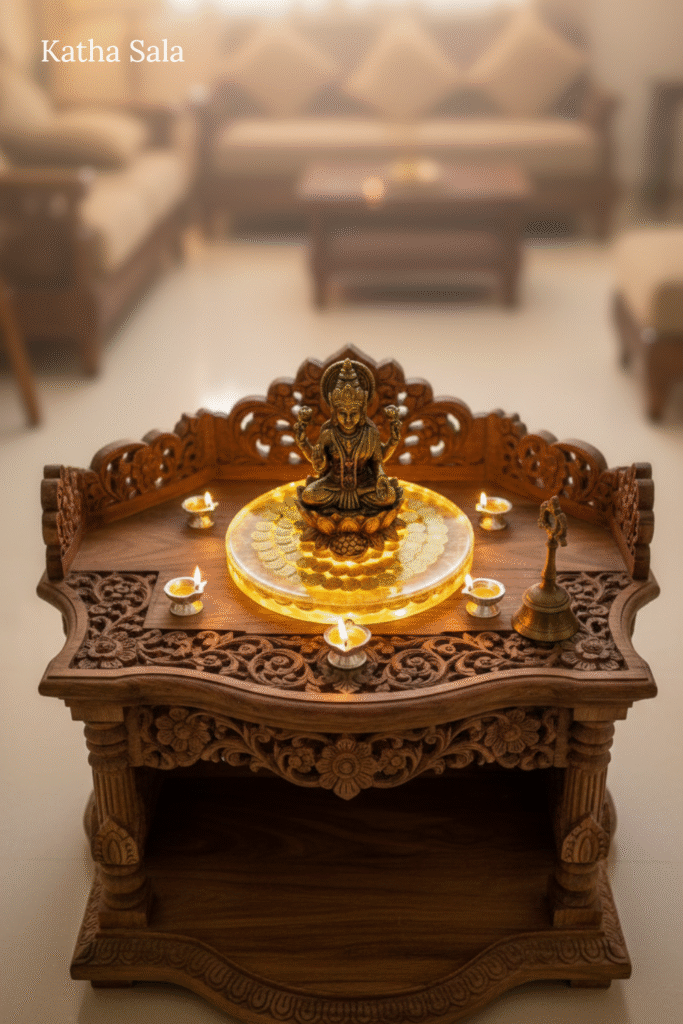
A. The Space-Saving Wall-Mounted Mandir
Ideal for urban apartments, wall-mounted units are the heroes of small-space living.
- The Look: Sleek floating shelves or compact cabinets with intricate laser-cut (CNC) patterns.
- Pro Tip: Look for designs with a drawer at the bottom to hide your matchboxes, incense sticks, and cotton wicks.
B. The Timeless Wooden Temple
Nothing beats the warmth of wood. In 2026, Sheesham and Teak remain the gold standard.
- The Look: Rich, dark grains with brass bell accents and hand-carved pillars.
- Best For: Homes with a traditional or “ethnic-chic” interior.
C. The Minimalist Marble Stand
White marble is synonymous with purity. Modern marble stands are now being designed with integrated LED backlighting.
- The Look: Clean lines, polished surfaces, and a backlit “Om” or “Swastik” symbol.
- Why it works: It’s incredibly easy to clean and stays cool even with multiple diyas burning.
D. The Modern Corian Mandir
Corian (a solid surface material) is the biggest trend this year. It allows for seamless designs and complex carvings that wood can’t always handle.
- The Look: Translucent panels that glow from within.
- Advantage: It’s non-porous and fire-resistant—perfect for heavy use.
E. The Floor-Standing “Mandir-on-Wheels”
For those who like flexibility, portable floor-standing units are back in style.
- The Look: Mid-sized cabinets with lockable wheels, allowing you to move your sacred space during home renovations or festivities.
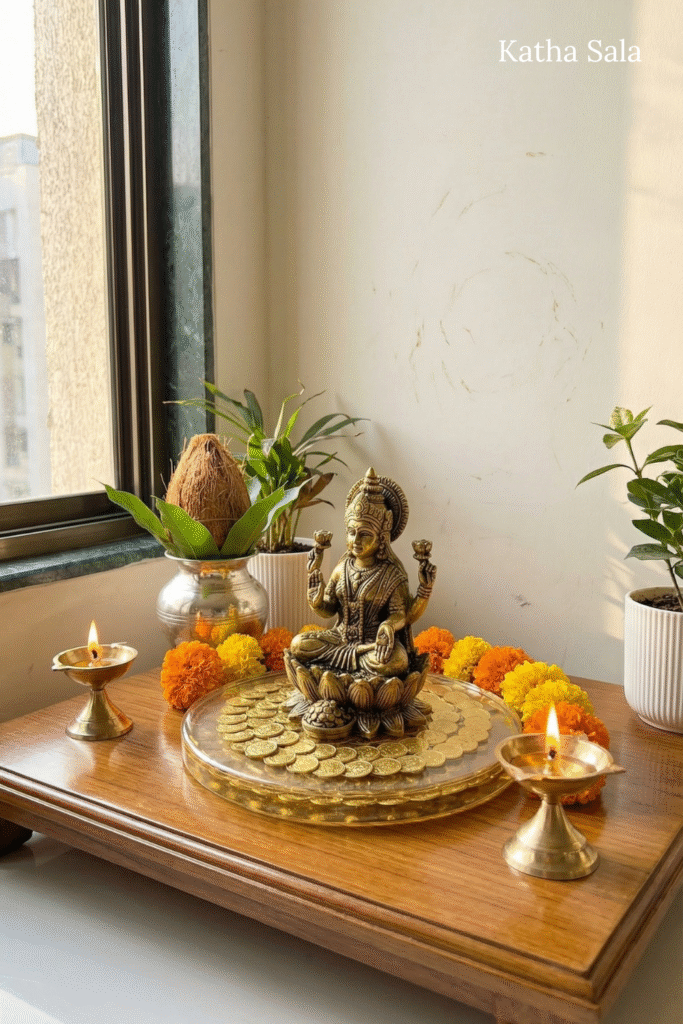
3. Comparison: Which Material Should You Choose?
| Material | Pros | Cons | Best Suited For |
| Teak Wood | Durable, traditional, warm | Needs polishing every few years | Heritage-style homes |
| Marble | Elegant, easy to clean, pure | Very heavy, can be expensive | Large living rooms |
| Engineered Wood | Budget-friendly, lightweight | Prone to moisture damage | Rental apartments |
| Metal/Brass | Modern, unique, indestructible | Can tarnish over time | Minimalist interiors |
4. Vastu Tips for Pooja Stand Placement
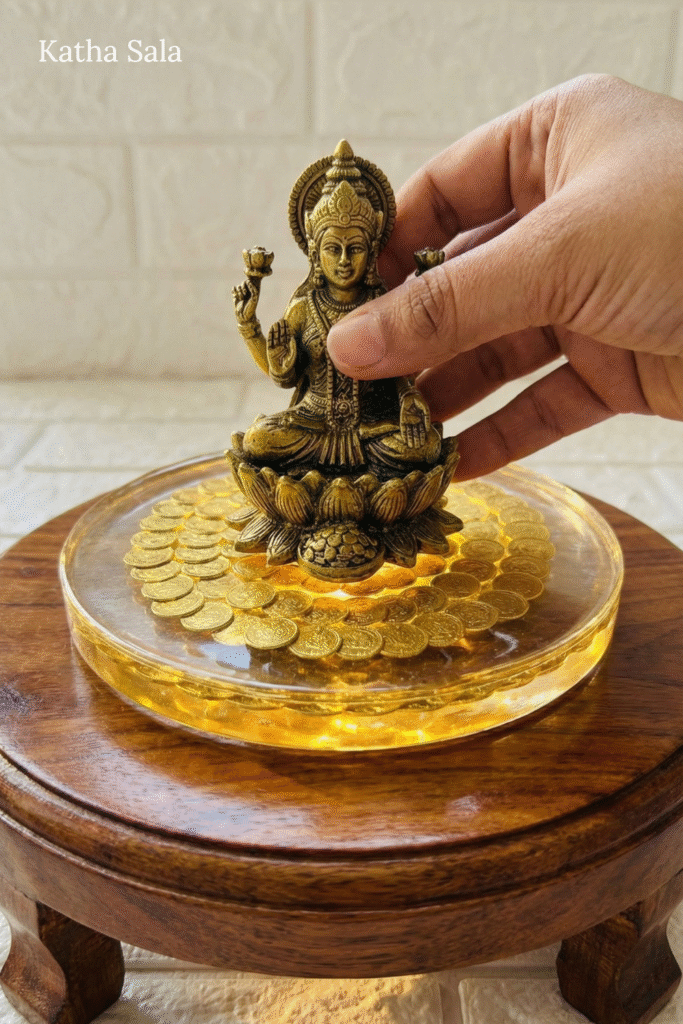
Even the most beautiful stand won’t feel right if it’s in the wrong spot. Here’s the quick Vastu checklist:
- Direction: The North-East (Ishan Kona) is the most auspicious spot. If that’s not possible, East or North are your best alternatives.
- Height: The base of the stand should be high enough so that the idols’ feet are at the level of your chest while sitting or standing.
- Avoid: Never place your mandir under a staircase, against a bathroom wall, or in a bedroom (unless it’s a separate alcove).
- The Rule of Two: Vastu experts suggest that if your mandir has doors, they should ideally have two shutters rather than one.
Pro Tip: Keep a small distance (at least an inch) between the pooja stand and the wall to allow for air circulation and positive energy flow.
5. Maintenance & Care: Keeping it Divine
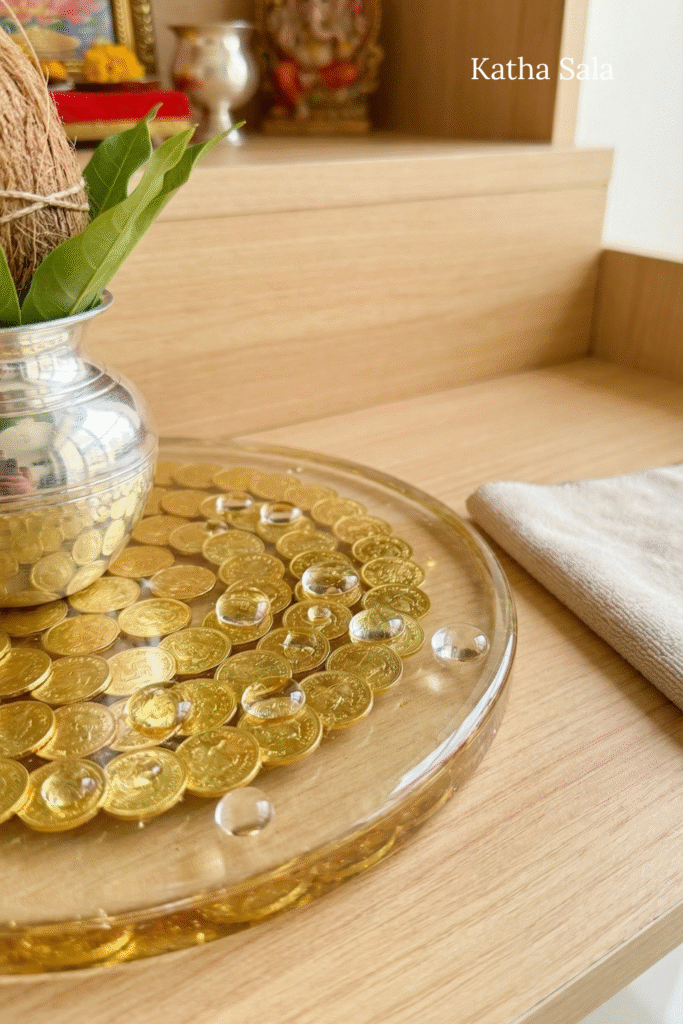
- For Wood: Use a soft microfiber cloth. Avoid water; use a specialized wood cleaner to maintain the shine.
- For Marble: Clean immediately if haldi (turmeric) or kumkum spills, as marble stains easily.
- Lighting: Swap out harsh white bulbs for warm yellow LEDs. It creates a serene, temple-like ambiance instantly.
Final Thoughts Choosing the best pooja stand for home is a personal journey. Whether you go for a grand marble unit or a humble wooden shelf, ensure it reflects your devotion and fits your lifestyle. After all, the best mandir is the one where you feel most at peace.
Frequently Asked Questions (FAQs)
Which material is best for a pooja stand?
While it depends on your decor, Teak wood and Sheesham are considered the most auspicious and durable. For a modern, premium look, white marble or Corian are excellent choices as they are easy to maintain and fire-resistant.
Can I keep a pooja stand in a small apartment?
Absolutely. For compact spaces, wall-mounted pooja stands or corner units are ideal. They save floor space while maintaining a dedicated sacred area. Modern “mandir-in-a-closet” designs are also trending for 1BHK apartments.
Should a pooja stand have doors?
While not mandatory, doors are recommended in Vastu to maintain the sanctity of the idols during non-worship hours. If your stand is in a multi-purpose room like a living room or kitchen, doors help create a clear boundary for the sacred space.
Which direction should a pooja stand face?
According to Vastu Shastra, the North-East (Ishan Kona) is the best placement. When you pray, you should ideally face East or North. Avoid placing the stand in the South direction.
What is the ideal height for a pooja stand?
The base of the stand should be at a height where the idols’ feet are at the level of the devotee’s chest while sitting or standing. This ensures a respectful eye-level connection during prayers.
Is it okay to keep a pooja stand in the bedroom?
It is generally advised to avoid this. However, if space is an issue, place it in the North-East corner of the bedroom and ensure there is a curtain or door to close it off while sleeping. Ensure your feet do not point toward the mandir.