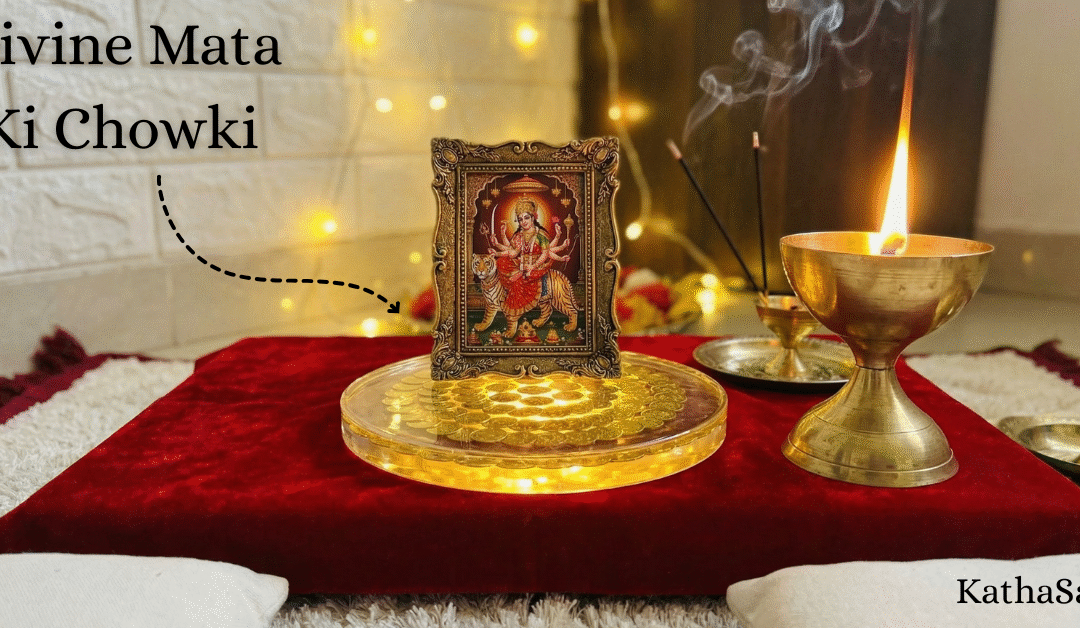
Hosting a Mata Ki Chowki or a Jagran at home is a beautiful way to invite divine energy, peace, and prosperity into your living space. Whether it is for a birthday, anniversary, housewarming, or simply an act of devotion, a well-organized Chowki creates an atmosphere of deep spiritual connection.
In this comprehensive guide, we will walk you through every step—from the initial preparation to the final Aarti—to ensure your event is both soulful and seamless.
What is Mata Ki Chowki?
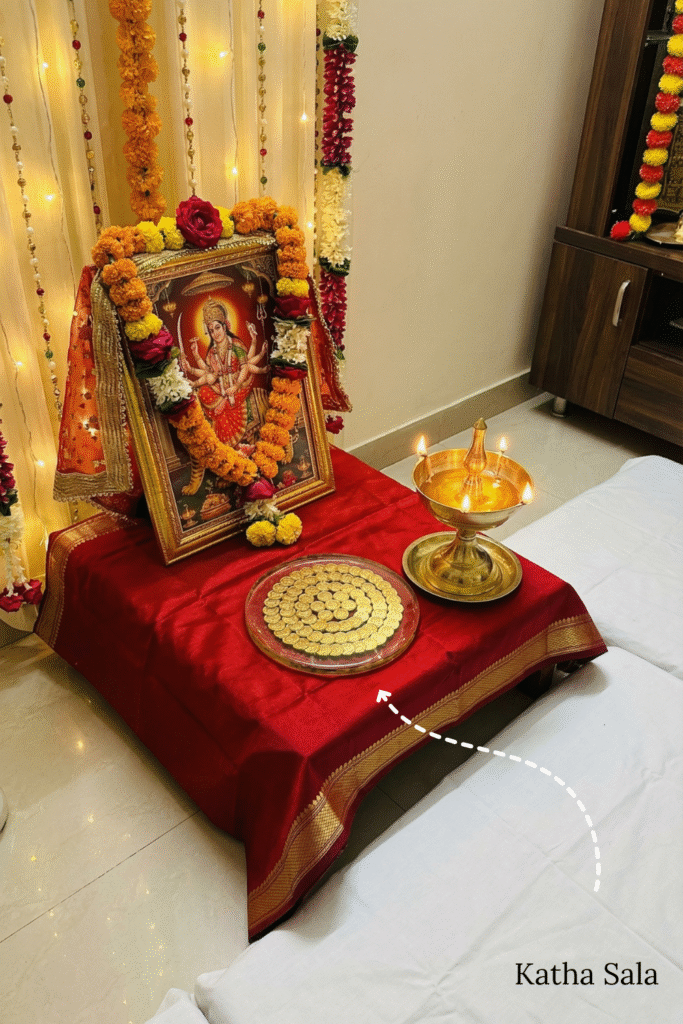
A Mata Ki Chowki is a short musical program (usually 3–4 hours) dedicated to Maa Durga. Unlike a full-night Jagran, a Chowki is typically held in the evening and concludes with dinner. It involves the chanting of hymns (Bhajans), the lighting of the holy flame (Akhand Jyot), and the distribution of Prasad.
Phase 1: Pre-Event Planning & Preparation
1. Choosing the Date and Time
While Mata Ki Chowki can be held on any day, auspicious periods like Navratri, Tuesdays, or Fridays are preferred. Ensure you consult a Panchang or your family priest to finalize a time that aligns with Shubh Muhurat.
2. Guest List and Invitations
Decide the number of attendees based on the space available in your home.
- Digital Invites: Create a WhatsApp-friendly invite with the location, timing, and a brief schedule.
- RSVP: Ask for RSVPs at least 3 days in advance to manage catering and seating.
3. Hiring Singers (Mandali)
The soul of a Jagran is the music. Book a professional Bhajan Mandali well in advance. Discuss the repertoire—ensure they include popular Bhents (devotional songs) and the Hanuman Chalisa.
Phase 2: Setting Up the Holy Altar (The Chowki)
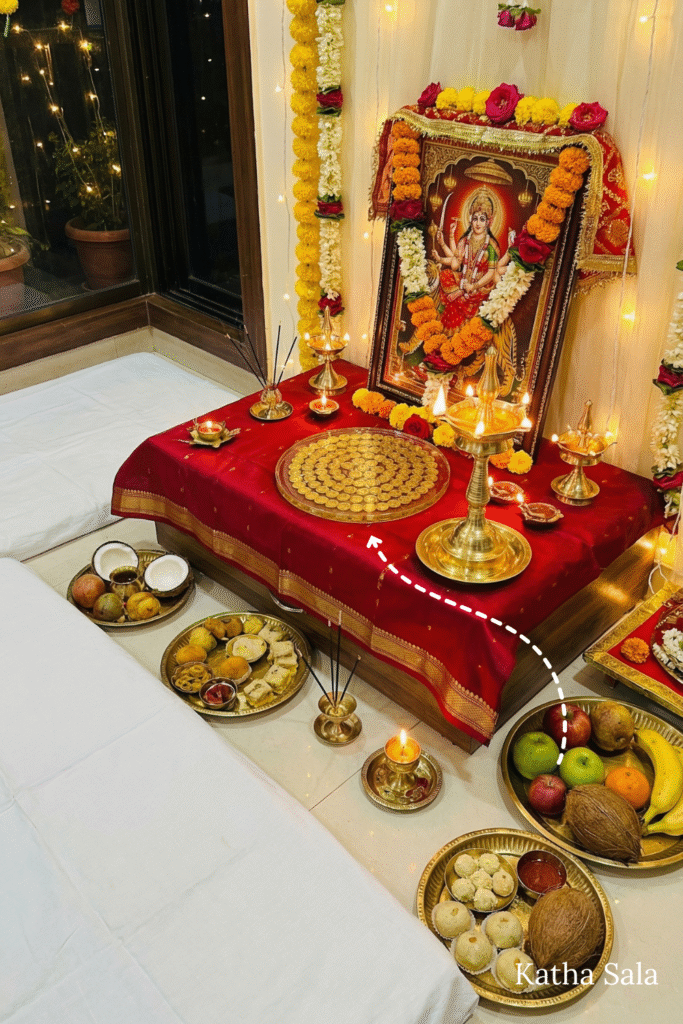
The setup of the Durbar (throne) is the most critical part of the ceremony.
1. Direction and Placement
Place the Chowki (wooden platform) or Pooja Peeta, in the North-East (Ishanya Kon) of your living room. Ensure the deity faces West so that the devotees face East while praying.
2. Decorating the Platform
- Cover the wooden Chowki with a fresh red silk cloth.
- Place a beautiful idol or framed picture of Mata Vaishno Devi or Maa Durga in the center.
- Decorate the backdrop with fresh flowers (Marigold and Roses) or colorful drapes.
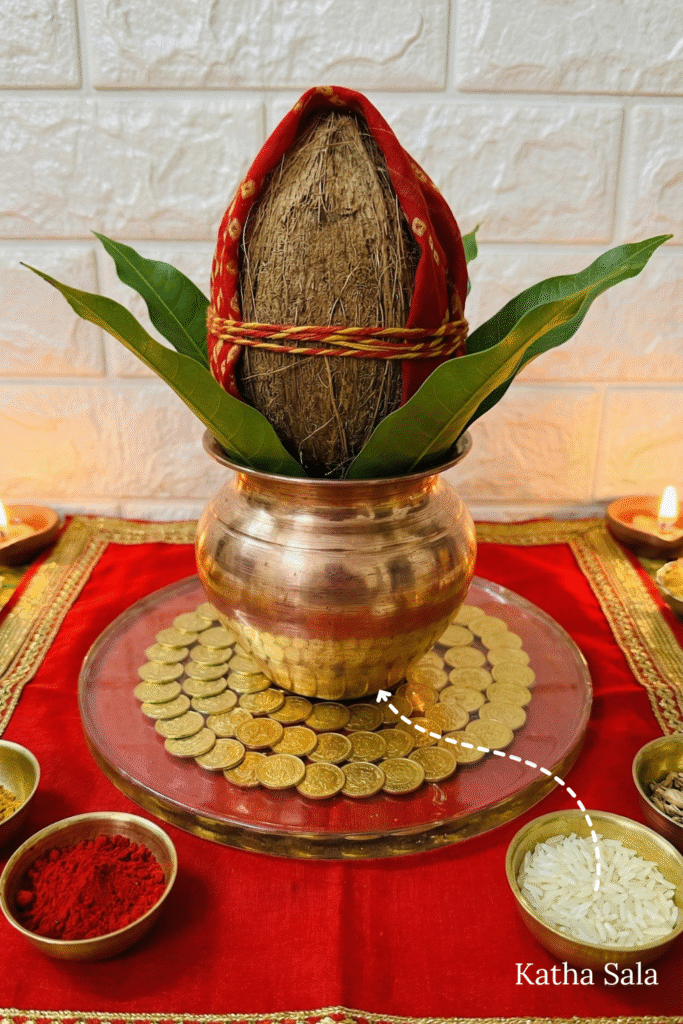
3. The Kalash Sthapana
- Place a copper or brass Kalash filled with water, a coin, and a betel nut near the idol.
- Place five mango leaves in the neck of the Kalash and top it with a coconut wrapped in a red Chunri.
Phase 3: Essential Puja Samagri (Checklist)
Ensure you have these items ready to avoid any last-minute hurdles:
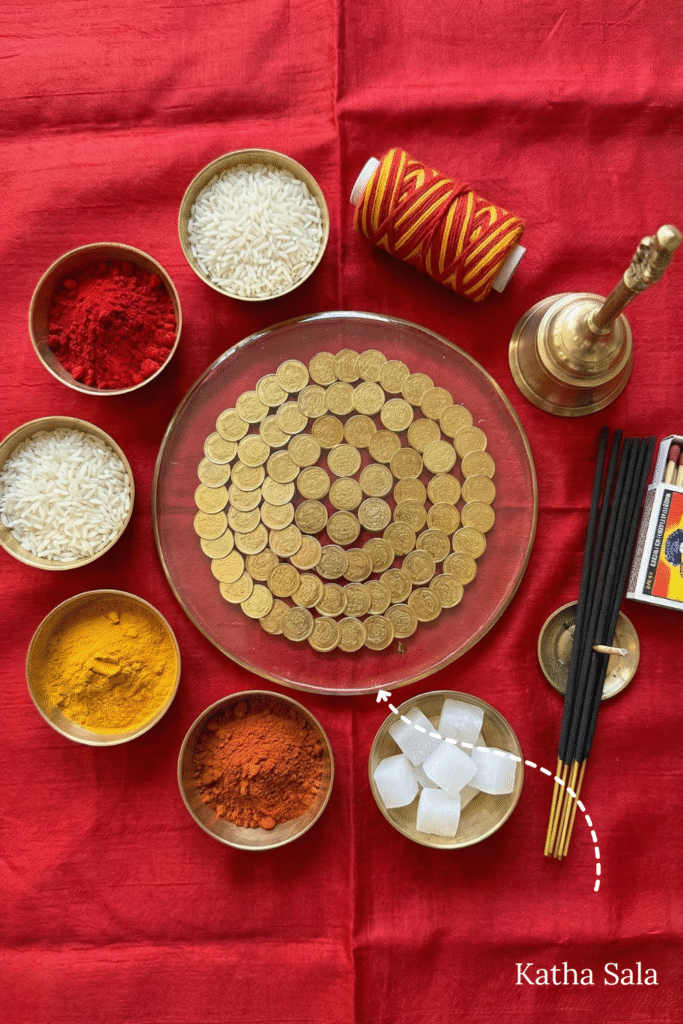
- For the Flame: Desi Ghee, cotton wicks, and a large brass Diya (Akhand Jyot).
- Offerings: Roli (vermilion), Akshat (unbroken rice), Moli (sacred thread), and Chandan.
- Shringar for Mata: A red Chunri, bangles, bindi, and Mehndi to offer to the Goddess.
- Incense: Agarbatti, Dhoop, and Camphor (Kapoor) for the Aarti.
| Category | Essential Items & Tasks | Why It’s Important |
| Altar (Chowki) | Wooden platform, Red silk cloth, Mata’s Idol/Photo. | Creates the “Durbar” (throne) for the Goddess. |
| Pujan Samagri | Akhand Jyot (Ghee), Roli, Akshat, Moli, Kalash, Coconut. | Required for the formal invocation and rituals. |
| Offerings (Bhog) | Halwa, Chana, Puri, Seasonal Fruits, Sweets. | The traditional “Satvik” food offered to the deity. |
| Shringar | Red Chunri, Bindi, Bangles, Mehndi, Flowers. | Symbolizes respect and devotion to the Goddess. |
| Ambience | Carpet/White sheets for seating, Incense, Speakers. | Ensures guest comfort and a spiritual atmosphere. |
| Handouts | Prasad packets, Bhajan booklets or lyrics. | Encourages active participation from the guests. |
Phase 4: The Flow of the Event
1. Ganpati Sthapana
Every auspicious event begins with the invocation of Lord Ganesha. The Mandali will usually start with “Ganpati Vandana.”
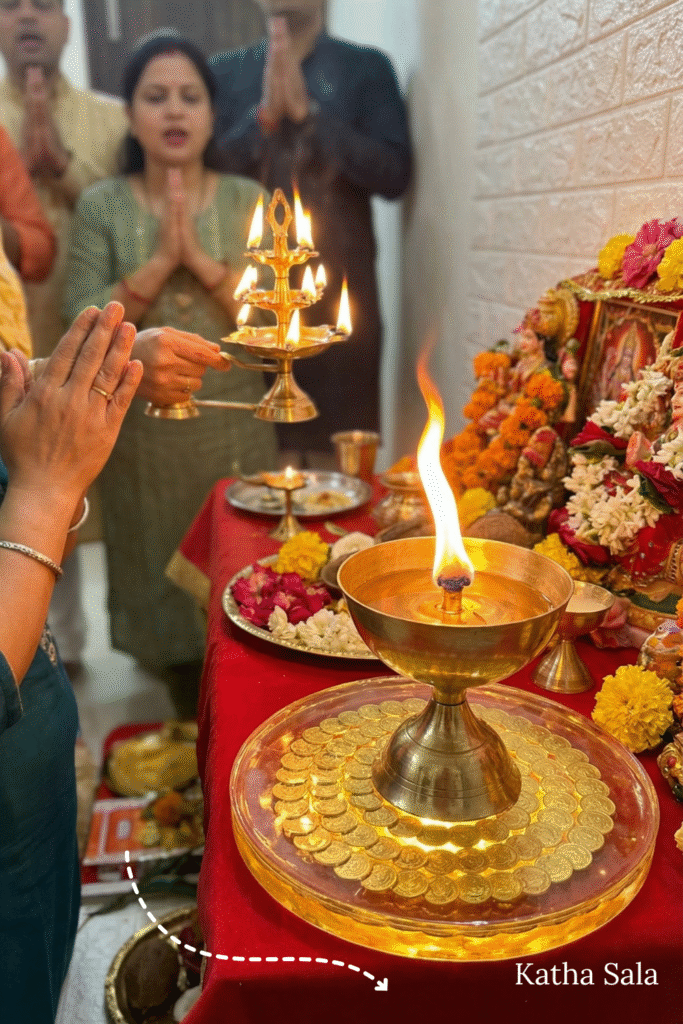
2. Lighting the Akhand Jyot
The host family lights the main lamp. This flame represents the presence of the Goddess and should remain lit until the end of the ceremony.
3. Bhajan and Kirtan
This is the main segment where the Mandali sings praises of the Goddess. It is customary for the host to sit near the altar during this time.
4. Ardaas and Aarti
Towards the end, a formal Ardaas (prayer) is made, seeking blessings for everyone present. This is followed by a grand Aarti where everyone stands up to participate.
Sample Timeline: A Standard 4-Hour Mata Ki Chowki
| Time Slot | Activity | Description |
| 06:00 PM | Ganpati Sthapana | Invocation of Lord Ganesha to remove obstacles. |
| 06:15 PM | Jyot Prachand | Lighting the Akhand Jyot by the host family. |
| 06:30 PM | Bhajan Sandhya | Devotional songs and Bhents performed by the Mandali. |
| 08:30 PM | Ardaas & Offering | Formal prayer and offering the Shringar/Chunri to Mata. |
| 09:00 PM | Grand Aarti | The final congregational prayer with lamps and bells. |
| 09:15 PM | Bhog & Prasad | Distribution of the holy food and dinner for guests. |
Phase 5: Prasad and Bhog (The Feast)
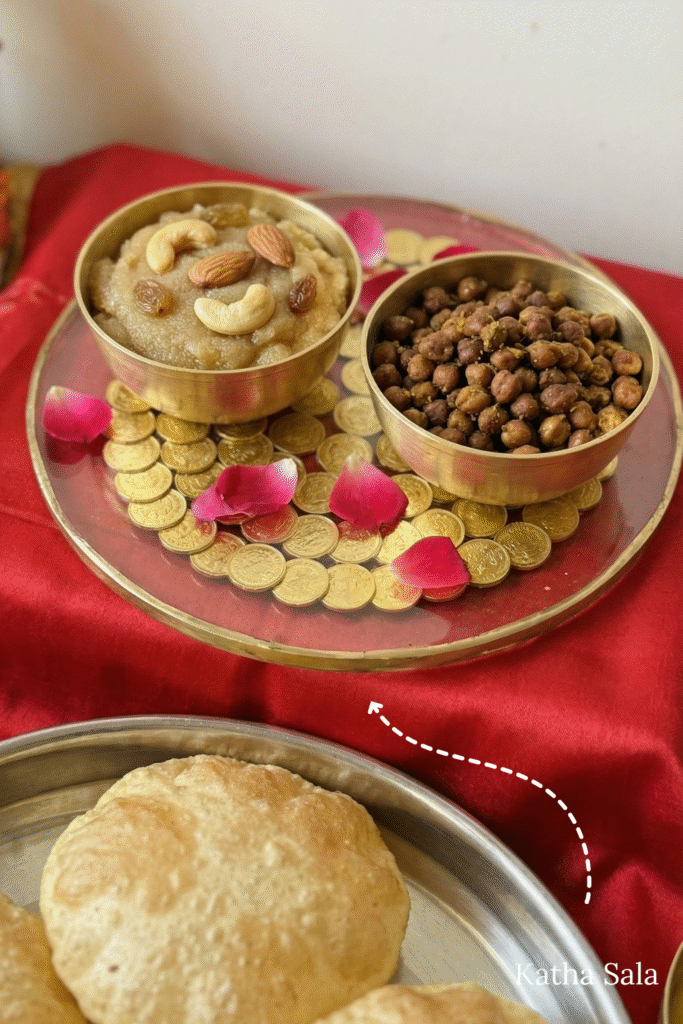
A Mata Ki Chowki is incomplete without Satvik food (prepared without onion and garlic).
- Main Bhog: Halwa, Puri, and Chana (Black Gram) are the traditional offerings.
- Dinner Menu: Keep it simple—one dry vegetable, one paneer dish, Daal, Rice, and a sweet like Gulab Jamun or Kheer.
- Prasad Bags: Prepare small pouches containing Mishri, dry fruits, or Makhana to give to guests as they depart.
Pro-Tips for a Successful Home Jagran
- Seating Arrangement: Use white sheets on the floor for traditional seating, but keep a few chairs at the back for elderly guests.
- Sound System: If the room is large, ensure the Mandali brings a small portable sound system that isn’t overwhelmingly loud for a residential area.
- Parking: Inform your neighbors in advance about the event to avoid any complaints regarding noise or parking.
The Perfect Divine Gift for Your Guests
A Mata Ki Chowki is a celebration of divine energy and blessings. While traditional Prasad is essential, many hosts today prefer to give their guests a “Return Gift” that serves as a permanent reminder of the spiritual evening.
Our Lakshmi Peeta is the perfect choice for this.
-
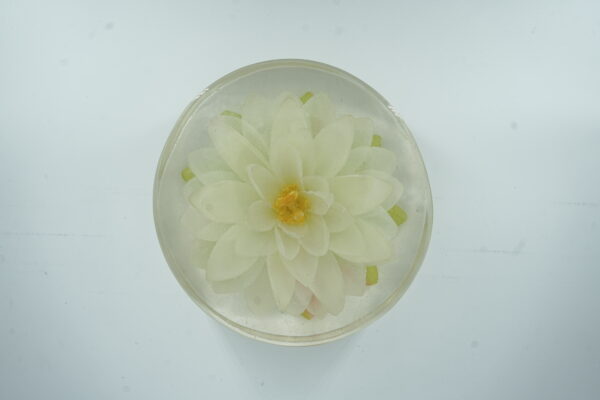
Brahma Kamal Flower Idol Stand for Pooja Room
Original price was: ₹3,599.00.₹2,499.00Current price is: ₹2,499.00. -
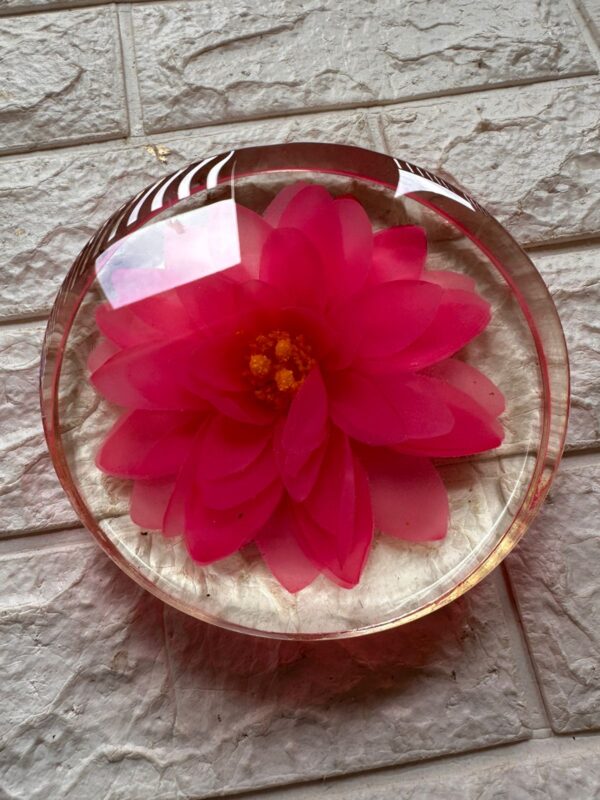
Lakshmi Kamal Flower Idol Stand for Pooja Room
Original price was: ₹3,599.00.₹2,499.00Current price is: ₹2,499.00. -
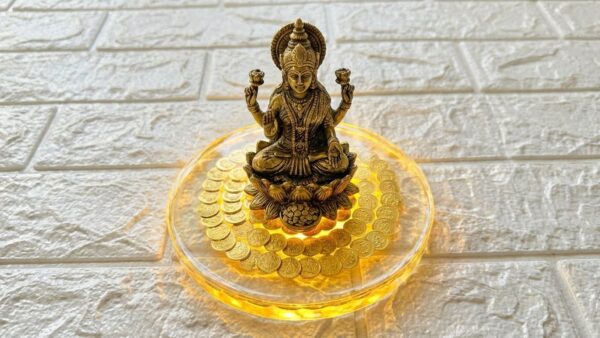
Lakshmi Peeta Idol Stand with 108 Lakshmi Kubera Coins
Original price was: ₹2,699.00.₹1,499.00Current price is: ₹1,499.00.
Why the Lakshmi Peeta is the Ideal Return Gift:
- Symbol of Prosperity: Inspired by the Goddess of Wealth, this art piece brings a touch of elegance and divinity to any home altar or office desk.
- Handcrafted Excellence: Each piece is a unique work of art, combining traditional spiritual symbols with modern, durable resin craftsmanship.
- Compact & Portable: Its size makes it perfect for guests to carry home easily and place in their own Puja Ghar or use as a meditative centerpiece.
- A Lasting Memory: Unlike sweets that are consumed, this Peeta stays with your loved ones forever, constantly radiating the positive vibrations of your event.
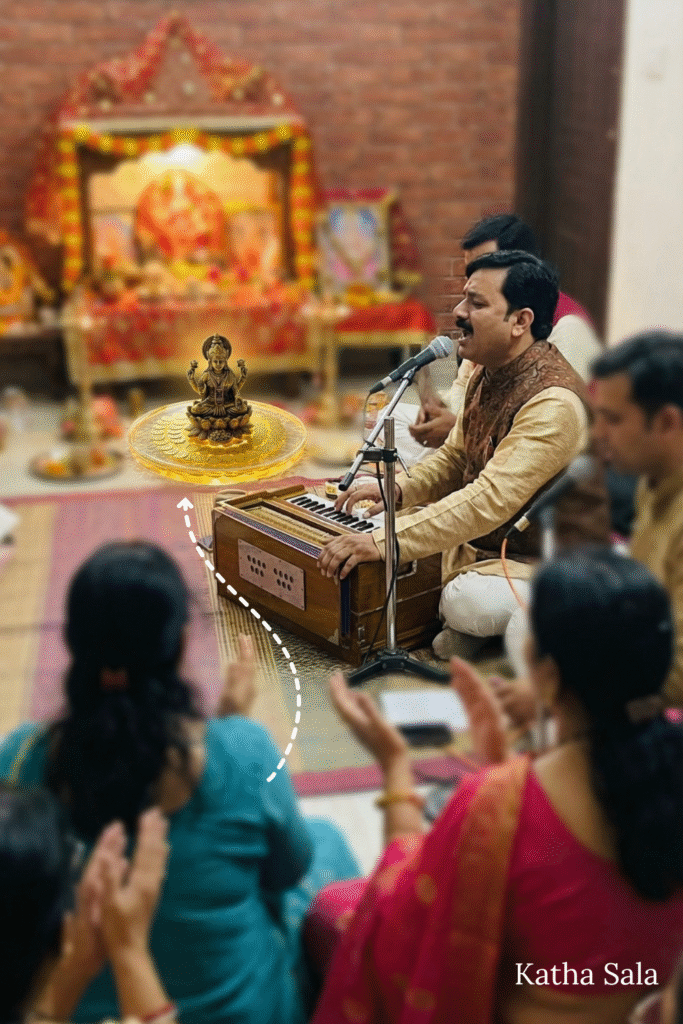
Host Tip: Placing a small Lakshmi Peeta near the main Akhand Jyot during your Chowki and then gifting it to your guests adds a beautiful, personalized touch to the ceremony.
Conclusion
Hosting a Mata Ki Chowki is a transformative experience that fills your home with positive vibrations. By following this structured guide, you can focus on the devotion (Bhakti) rather than the stress of organization. Jai Mata Di!
Frequently Asked Questions (FAQ)
1. How long does a Mata Ki Chowki usually last?
A Mata Ki Chowki is typically a short devotional event lasting about 3 to 4 hours. It usually begins in the early evening (around 6:00 PM) and concludes with Aarti and dinner by 10:00 PM.
2. What is the difference between Mata Ki Chowki and Jagran?
The main difference is the duration. A Jagran is an all-night vigil (usually from 10:00 PM to 6:00 AM), whereas a Mata Ki Chowki is a shorter evening program. Chowkis are more common for birthdays, anniversaries, and small home gatherings.
3. Which direction should the Mata Ki Chowki face?
According to Vastu Shastra, the idol or photo of the Goddess should ideally be placed in the North-East (Ishanya) corner. The deity should face West or South, so that the devotees face East or North while praying.
4. Can we keep the Akhand Jyot at home?
Yes, but the Akhand Jyot (uninterrupted flame) requires constant attention. During a Chowki, it must remain lit throughout the ceremony. If you choose to keep it lit for several days (like in Navratri), ensure there is always enough Ghee and the wick is adjusted carefully.
5. What should be included in the Satvik dinner menu?
For a spiritual event, the food must be Satvik, meaning it is prepared without onion or garlic. Traditional favorites include Chana-Puri, Halwa, Paneer, Aloo Sabzi, and Kheer for dessert.