
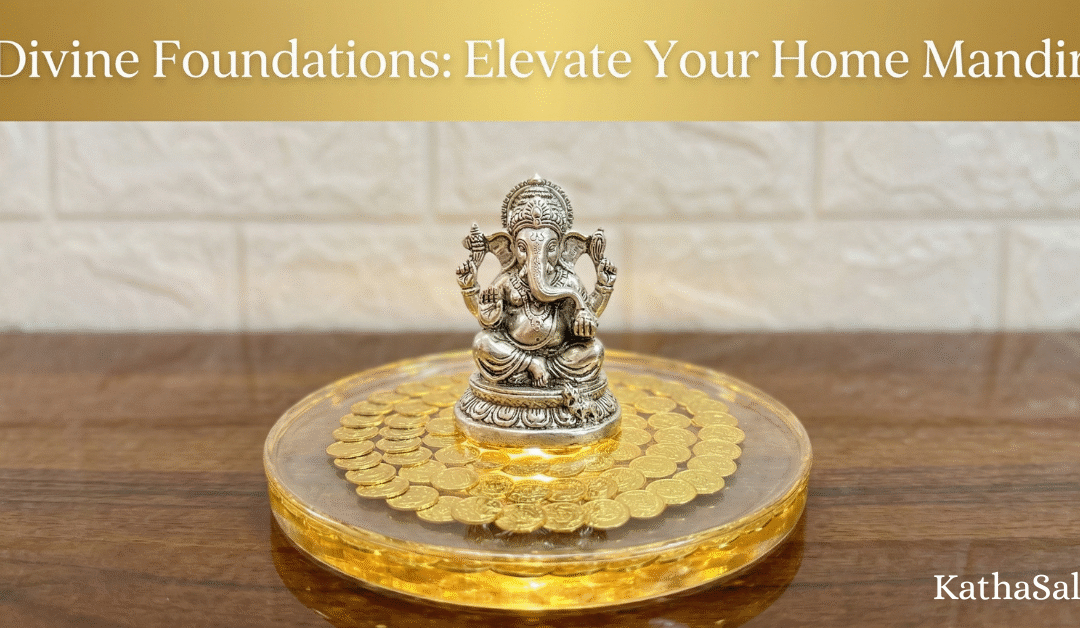
Guide to Pooja Chowki Uses, In the sacred corners of our homes, the Pooja Chowki (also known as a Pooja Stand or Pooja Peeta) serves as more than just a piece of furniture. It is the foundational seat for the divine. Whether you are setting up a permanent mandir or preparing for a specific festival, choosing the right Chowki is essential for creating a spiritually vibrant atmosphere.
This guide explores the spiritual significance, diverse uses, and the Vastu-compliant ways to integrate a Pooja Chowki into your daily rituals.
1. What is a Pooja Chowki?
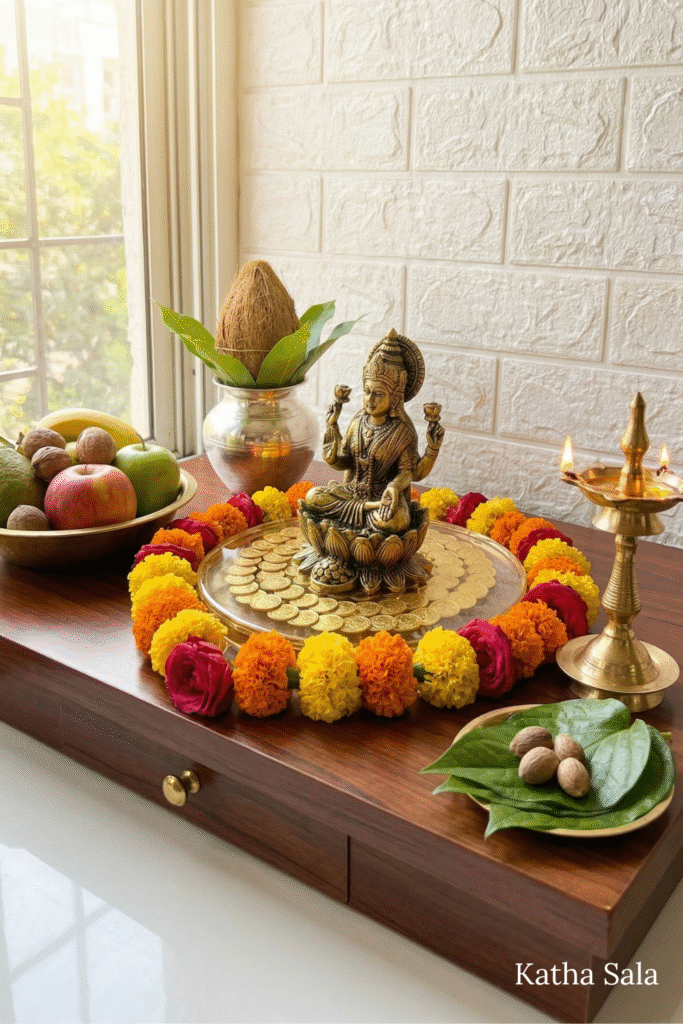
A Pooja Chowki is a raised platform, usually rectangular, square, circle, or octagonal, used to place idols (murtis), photo frames of deities, or essential prayer items like the Kalash and Diya. By elevating these sacred objects, we signify their importance and maintain the purity of the ritual by keeping them off the floor.
2. Chowki Spiritual Significance & Symbolism
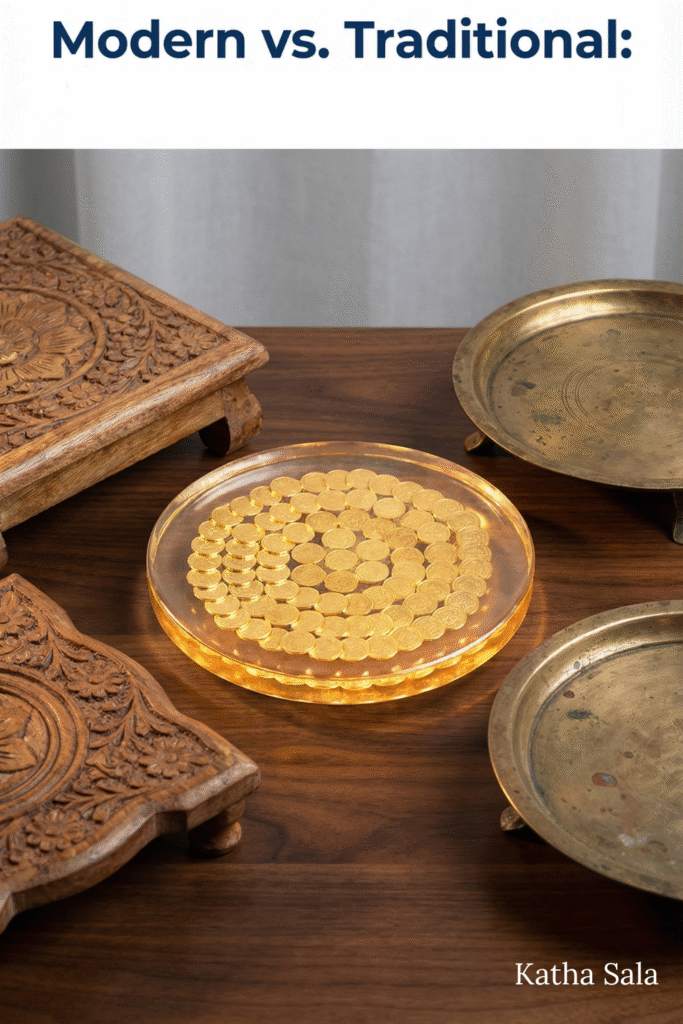
In Indian tradition, providing a “Asana” (seat) is the first step of Shodashopachara (16-step worship).
- Respect: Placing a deity on a Chowki is a gesture of utmost respect and devotion.
- Energy Flow: It is believed that a raised platform helps in better circulation of positive vibrations during chanting and meditation.
- Cleanliness: It ensures that the divine idols do not come into contact with dust or the ground, maintaining Shaucha (sanctity).
3. The Role & Pooja Chowki Uses
A. Daily Worship (Nitya Pooja)
The primary use is to hold the main deity of the house. A sturdy brass or wooden Chowki provides a permanent, elegant base for your Ishta Devata.
B. Festive Celebrations
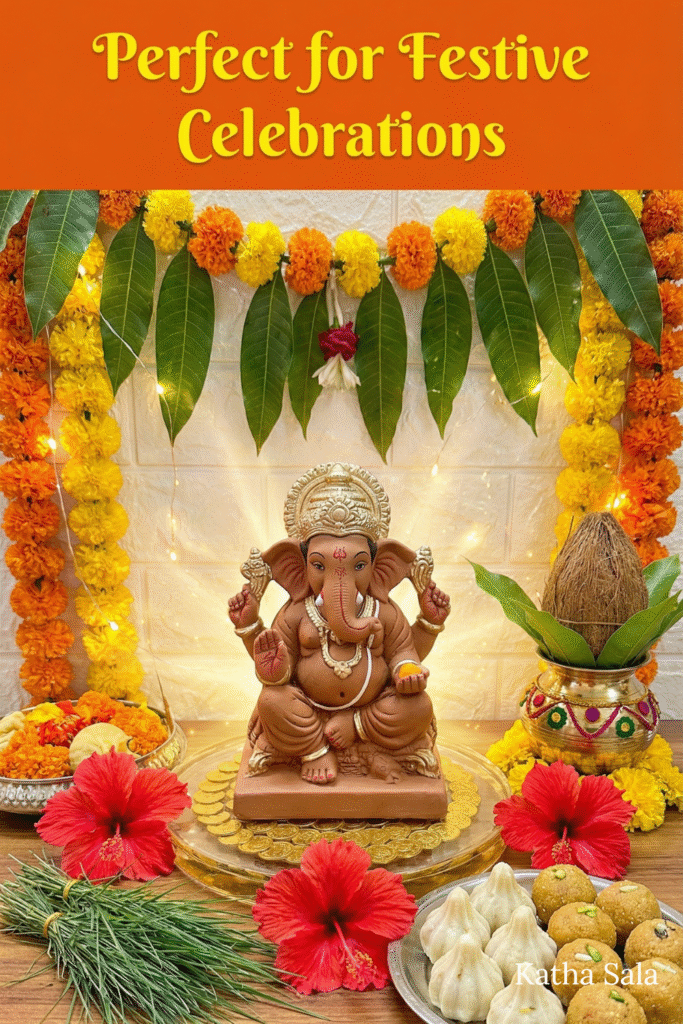
During festivals like Ganesh Chaturthi, Lakshmi Pooja, or Navratri, additional Chowkis are used to create temporary altars. For example, the Sthapana of Lord Ganesha is almost always done on a beautifully decorated wooden or silver-plated stand.
C. Marriage & Sanskar Rituals
In Indian weddings, the Chowki is used during the Varmala or for the couple to sit on during specific ceremonies. It is also used during Upanayana (thread ceremony) and housewarming (Griha Pravesh) rituals.
D. Supporting Ritual Items
Not just for idols, smaller Chowkis are used to hold:
- Kalash: The sacred water pot.
- Saligram or Shivling: Specifically dedicated small pedestals.
- Bhog/Prasad: To offer food to the deities in a clean, elevated manner.
4. Chowki Materials and Their Benefits
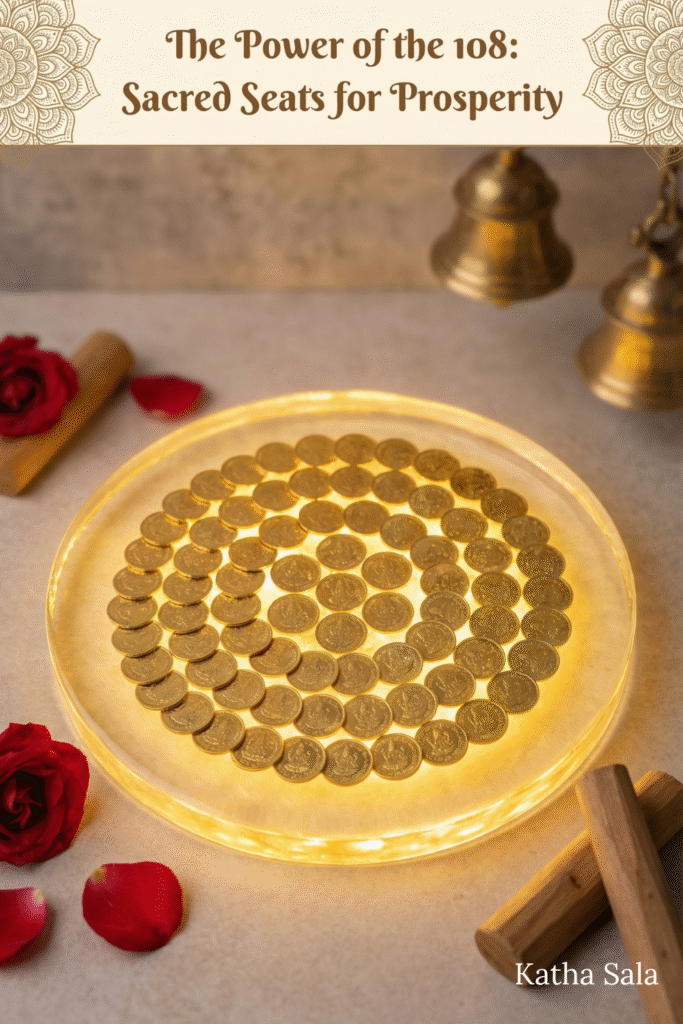
- Wooden (Teak/Sheesham): Most popular for its natural and grounding energy. Often features intricate hand-carvings or Meenakari work.
- Brass/Copper: Highly recommended in scriptures for its ability to attract divine frequencies.
- Marble: Provides a cool, serene aesthetic; perfect for permanent large temples.
- Silver/Gold Plated: Used for special occasions to signify prosperity and abundance.
“To help you choose the best material for your home, here is a quick comparison of the most popular Pooja Chowkis:”
| Feature | Wooden Chowki | Brass / Metal Chowki | Marble Chowki | Meenakari (Artistic) |
| Primary Material | Teak, Sheesham, or Mango Wood | Brass, Copper, or Bronze | Pure White or Makrana Marble | Metal with Enamel Work |
| Best Used For | Daily Nitya Pooja & Small Idols | Abhishekam (Water Rituals) | Permanent Mandir Setup | Festivals & Gifting |
| Spiritual Benefit | Provides grounding & natural energy | Conducts and retains divine vibrations | Symbolizes peace, purity & coolness | Represents joy and celebration |
| Durability | High (if kept dry) | Very High (Lasts generations) | Extremely Durable & Heavy | Moderate (Needs gentle care) |
| Vastu Element | Earth / Wood – brings stability | Fire / Metal – brings prosperity | Space / Air – brings serenity | Water/Color – brings positivity |
| Maintenance | Dusting with dry cloth | Polishing with Pitambari/Lemon | Wipe with damp cloth | Gentle dusting only |
5. Vastu Tips for Placing Your Pooja Stand
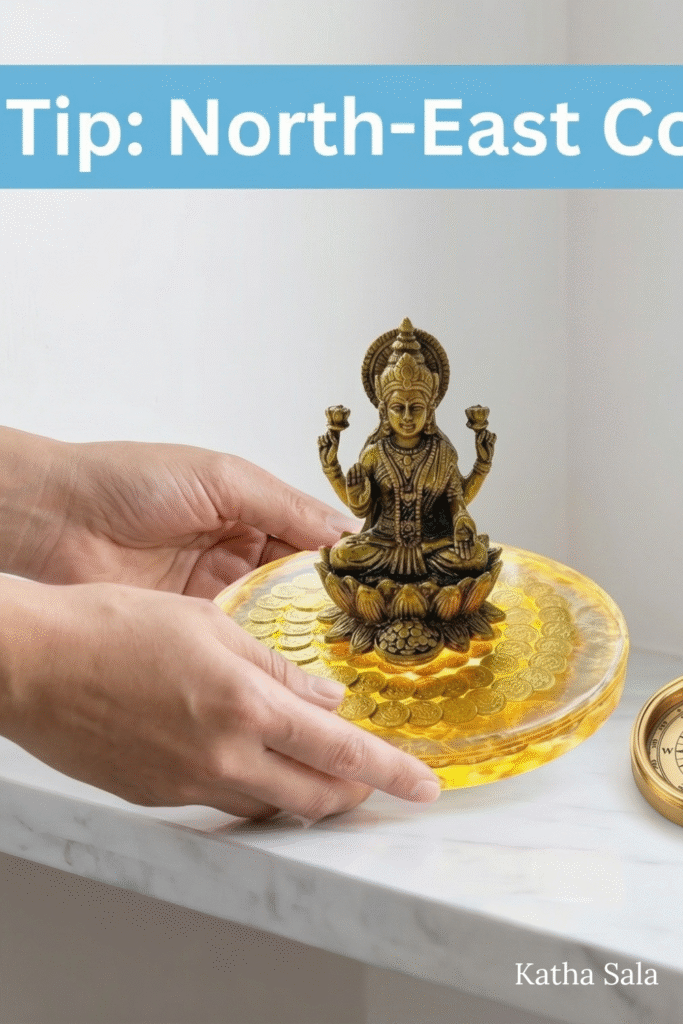
To maximize the flow of positive energy (Prana), follow these Vastu guidelines:
- Direction: Place the Chowki in the North-East (Ishanya) corner of your home or room.
- Facing: Ensure that the person worshipping faces East or North.
- Height: The base of the Chowki should be at a height where the idols’ feet are at the chest level of the devotee while sitting.
- Avoid: Never place the Chowki against a wall shared with a toilet or directly under a staircase.
6. Chowki Maintenance & Care
- Cleaning: For wooden stands, use a soft microfiber cloth. For brass, use Pitambari or a lemon-salt mix to maintain the shine.
- Covering: Always cover the top of the Chowki with a fresh red or yellow cloth (Vastra) before placing the deity.
- Regularity: Do not let dust settle on the stand, as it symbolizes stagnant energy.
Ideal Chowki Sizes for Different Needs
| Purpose | Recommended Size |
| Single Small Idol | 4″ x 4″ or 6″ x 6″ |
| Main Deity (Ishta Devata) | 8″ x 8″ or 10″ x 10″ |
| Ganesh Chaturthi / Festivals | 12″ x 12″ or 18″ x 18″ |
| Kalash / Diya Stand | 2″ x 2″ or 3″ x 3″ |
Conclusion: A Pooja Chowki is not just a decorative item; it is a bridge between the devotee and the divine. By choosing a stand that resonates with your devotion and placing it according to Vastu, you invite harmony, peace, and prosperity into your living space.
Are you looking for the perfect base for your home temple?
Browse our latest collection of handcrafted Pooja Chowkis, designed to bring elegance and sanctity to your spiritual practice.
-
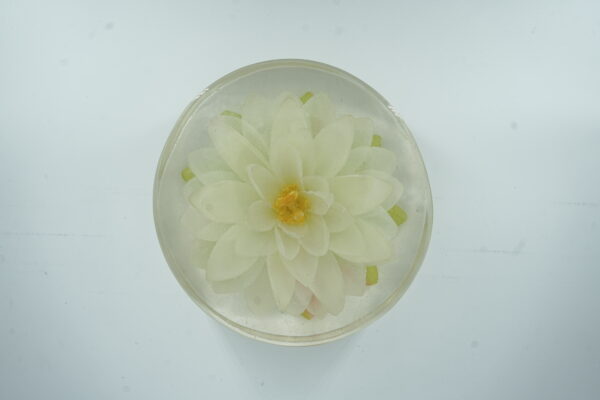
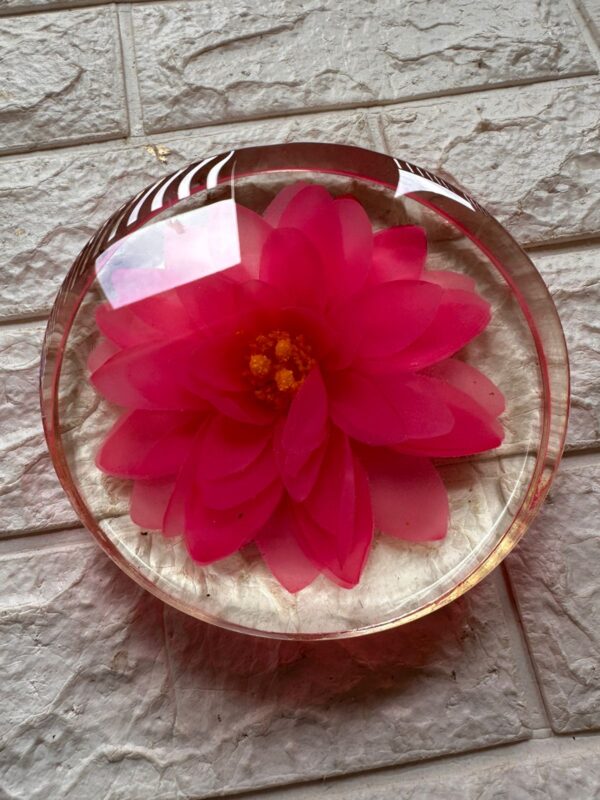
Brahma Kamal Flower Idol Stand for Pooja Room
Original price was: ₹3,599.00.₹2,499.00Current price is: ₹2,499.00. -
Lakshmi Kamal Flower Idol Stand for Pooja Room
Original price was: ₹3,599.00.₹2,499.00Current price is: ₹2,499.00. -
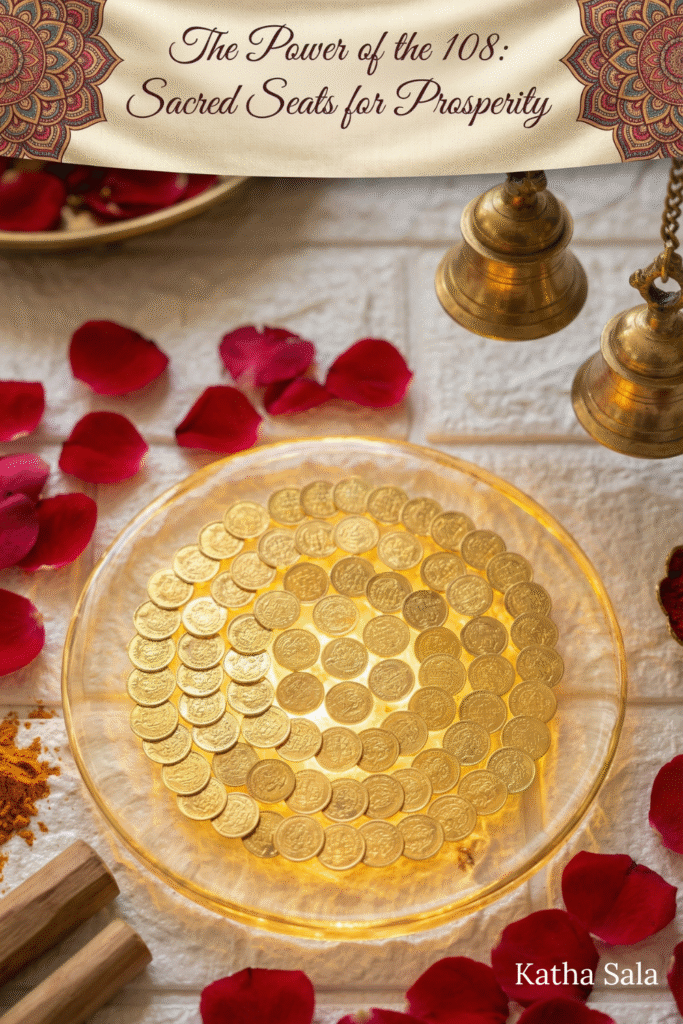
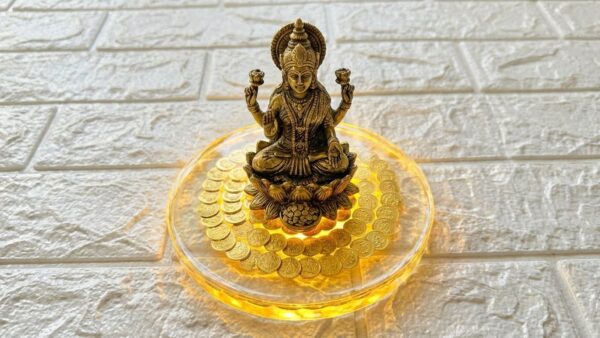
Lakshmi Peeta Idol Stand with 108 Lakshmi Kubera Coins
Original price was: ₹2,699.00.₹1,499.00Current price is: ₹1,499.00.
Frequently Asked Questions (FAQs) About Pooja Chowki
1. Which direction should a Pooja Chowki face?
According to Vastu Shastra, the Pooja Chowki should ideally be placed in the North-East (Ishanya) corner of the house. When praying, the devotee should face East or North. Ensure the Chowki is placed such that the idols face the room and not the wall.
2. Which material is best for a Pooja Chowki?
While materials like marble and brass are excellent for durability and spiritual energy, Wood (especially Teak, Sheesham, or Sandalwood) is considered highly auspicious for daily home use. Brass is also preferred because it is believed to attract divine vibrations more effectively during aarti.
3. Can we use a Pooja Chowki for sitting?
Standard Pooja Chowkis are designed as an Asana (seat) for deities and sacred items. It is generally advised not to use the same Chowki for sitting that you use for idols. If you need a pedestal for sitting during meditation, keep a separate, larger wooden Patla or mat specifically for that purpose.
4. Why is a red cloth placed on the Pooja Chowki?
A red cloth symbolizes shakti (energy), victory, and devotion. It is traditionally used to “invite” the deity. Yellow cloth is also commonly used, especially for Lord Vishnu or Ganesha, as it represents knowledge and auspiciousness.
5. How high should a Pooja Stand be?
Vastu suggests that the height of the Pooja Stand should be such that the idols’ feet are at the chest level of the person worshipping while sitting down. This ensures a respectful posture and helps the devotee focus better during meditation.
6. Can I place two Chowkis in one Mandir?
Yes, you can use multiple Chowkis to create a hierarchical arrangement. For example, a main larger Chowki for the primary deity and smaller ones for the Kalash, Shivaling, or Deepak. This helps in keeping the Mandir organized and clean.
7. Is it okay to gift a Pooja Chowki?
Absolutely. Gifting a Pooja Chowki is considered very auspicious for Housewarming (Griha Pravesh), Weddings, and Anniversaries. It is seen as gifting a “Seat for the Divine” to a loved one’s home.
8. How do I clean a brass Pooja Chowki?
To maintain the shine of a brass stand, use a mixture of lemon and salt or a specialized brass cleaning powder like Pitambari. Avoid using harsh chemicals or steel scrubbers, as they can scratch the surface.