
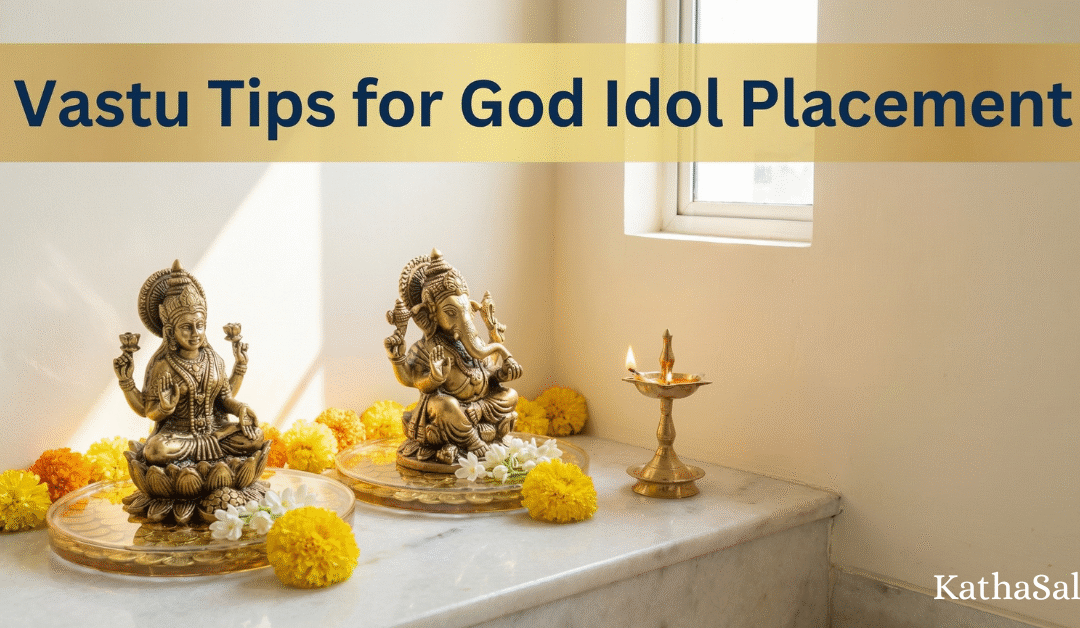
Vastu Tips for Placing God Idols? Creating a dedicated space for the divine is a cornerstone of Indian households. A Pooja Room or a small altar isn’t just a place for prayer; it is the powerhouse of the home’s energy. However, according to the ancient science of Vastu Shastra, the placement of God’s idols plays a critical role in determining whether that energy is positive or stagnant.
If you are looking to bring harmony, wealth, and health into your life, follow these essential Vastu tips for placing God idols in your home.
1. The Ideal Direction for the Pooja Room
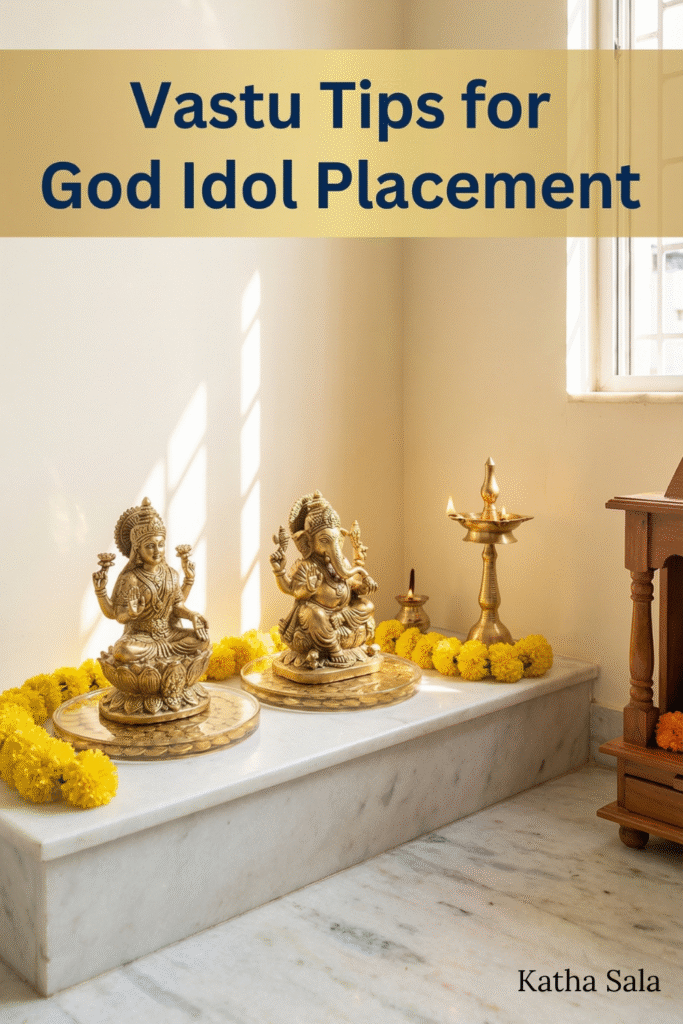
Before placing the idols, the location of the room itself matters most.
- North-East (Eshanya Kon): This is the most auspicious direction. It is considered the zone of God and supreme consciousness.
- East or North: If the North-East is unavailable, the East (associated with progress) or North (associated with wealth) are the best alternatives.
- Avoid: Never place the Pooja room in the South, South-West, or under a staircase.
2. Which Way Should the Idols Face?
The direction the idol faces is just as important as where it is kept.
- Facing the Devotee: Ideally, when you pray, you should face East or North.
- The Idols: Place the idols such that they face West or South, so that the devotee naturally faces East or North while meditating or performing Aarti.
3. Vastu Tips for Placing God Idols
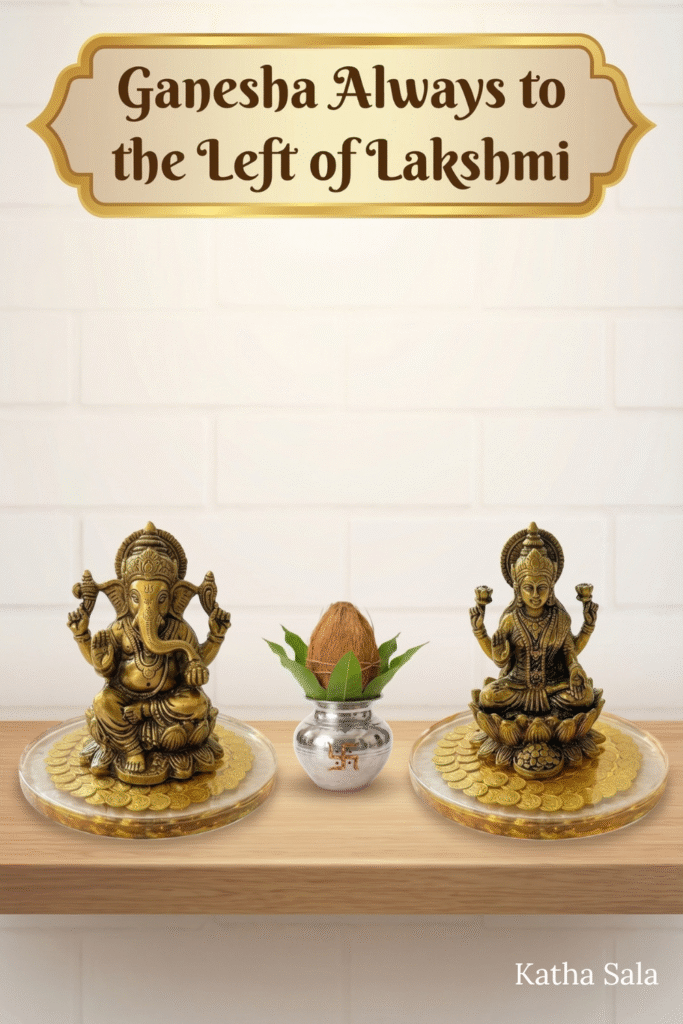
While many of us keep various deities together, Vastu suggests specific “zones of influence”:
- Ganesha: Always place Lord Ganesha to the left of Goddess Lakshmi.
- Shiva Parivar & Vishnu: These can be placed in the North-East or East.
- Hanuman: Ideally should face South-West to protect the home from evil energies.
- Ishta Devta: Your primary deity should always be at the center of the altar at eye level.
4. Crucial “Don’ts” for Idol Placement
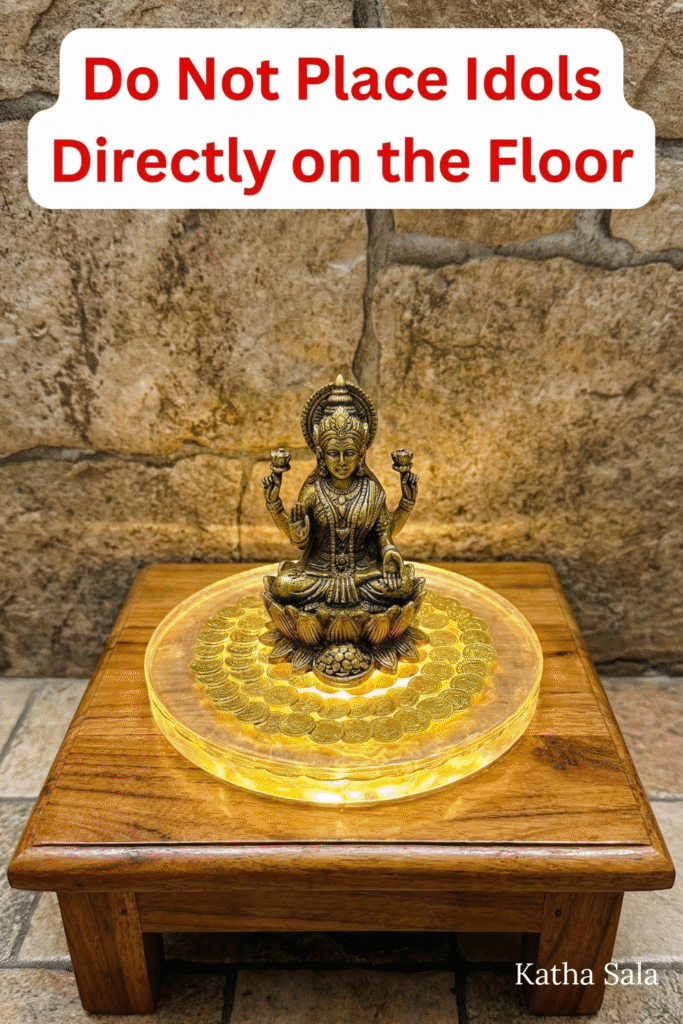
To avoid “Vastu Dosha” (architectural defects), keep these rules in mind:
- No “Facing” Idols: Never place two idols of the same God facing each other.
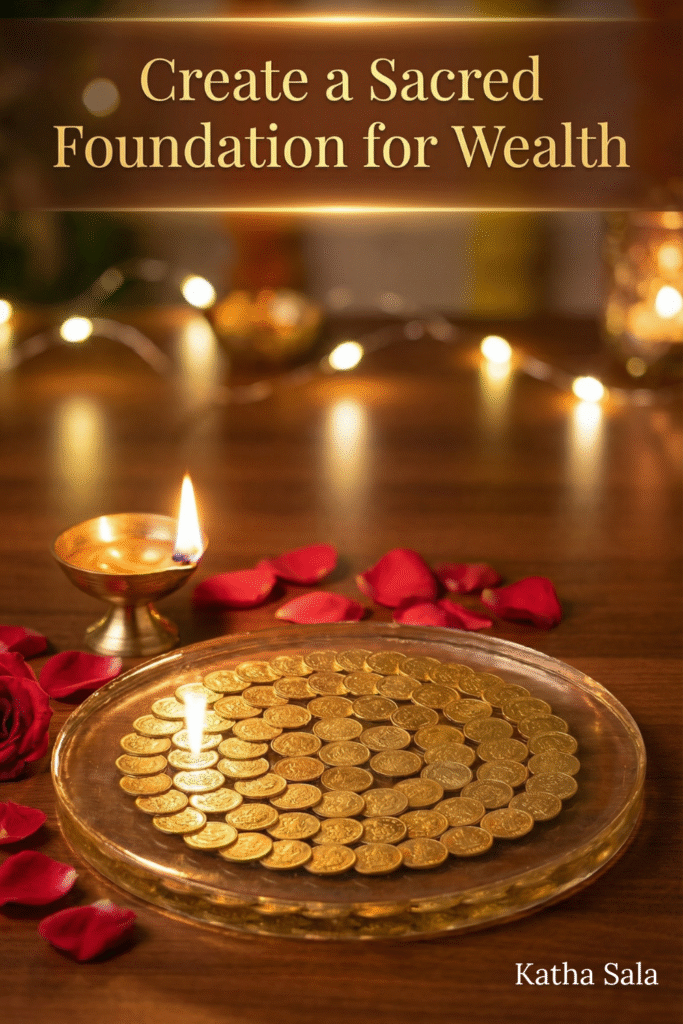
- Avoid the Floor: Idols should never be kept directly on the ground. Use a wooden chowki, a marble pedestal, or a Lakshmi Peeta.
- Wall Distance: Maintain at least an inch of space between the idol and the wall to allow energy to circulate.
- Broken Idols: Never keep a chipped or broken idol in the house. It is considered inauspicious and should be immersed in a water body.
5. The Importance of Height and Size
In a residential home (as opposed to a temple), the size of the idols matters:
- Size: Ideally, idols should not be taller than 10 inches. Large idols require specific daily rituals (Prana Pratishtha) that are difficult to maintain in a busy household.
- Eye Level: The base of the idol should be at such a height that the feet of the deity are at the chest level of the devotee when sitting or standing to pray.
6. Atmosphere and Maintenance
Vastu is not just about placement; it’s about the “Vibe” (Spandana).
- Lighting: Ensure the Pooja room is well-lit. Use warm yellow lights or traditional diyas.
- Colors: Use soothing colors like white, light yellow, or light blue for the walls. Avoid dark colors like black or dark grey.
- Clutter-Free: Do not store heavy suitcases, old clothes, or dustbins near the God idols.
| Feature | Best Practice |
| Best Direction | North-East (Eshanya) |
| Devotee Facing | East or North |
| Idol Height | Under 10 Inches |
| Pedestal Material | Wood, Marble, or Resin Art |
| Cleaning | Daily with fresh water/cloth |
Conclusion: Placing God idols according to Vastu Shastra ensures that your home becomes a magnet for positive vibrations. When the divine energy is aligned with the magnetic fields of the Earth, it brings mental peace to the family and removes obstacles in career and health.
Are you looking for a beautiful, Vastu-compliant pedestal for your home? A sacred space deserves a sacred foundation. Ensure your deities are placed with the respect and elegance they deserve.
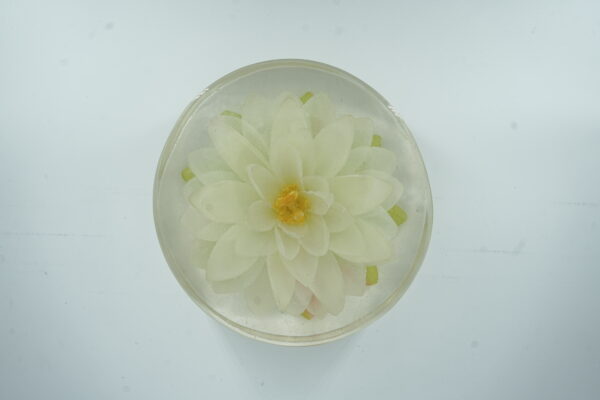
-
Brahma Kamal Flower Idol Stand for Pooja Room
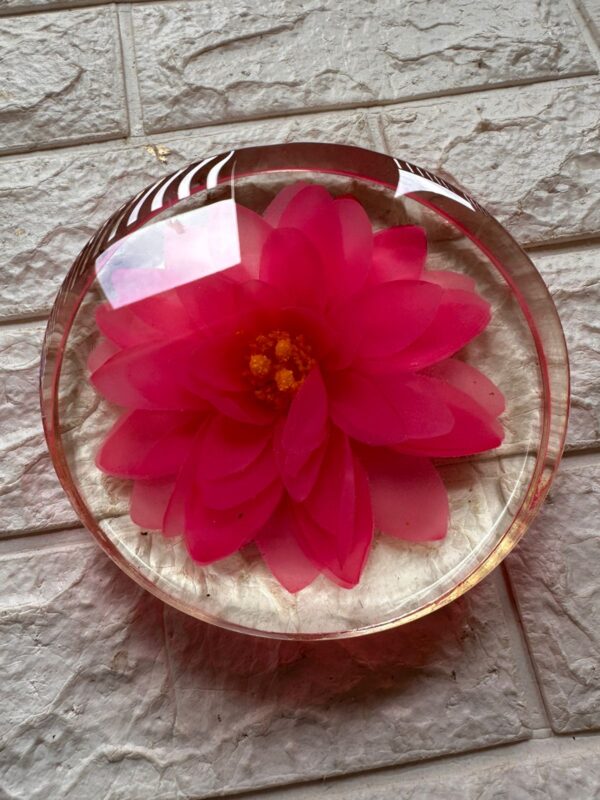
Original price was: ₹3,599.00.₹2,499.00Current price is: ₹2,499.00. -
Lakshmi Kamal Flower Idol Stand for Pooja Room
Original price was: ₹3,599.00.₹2,499.00Current price is: ₹2,499.00. -
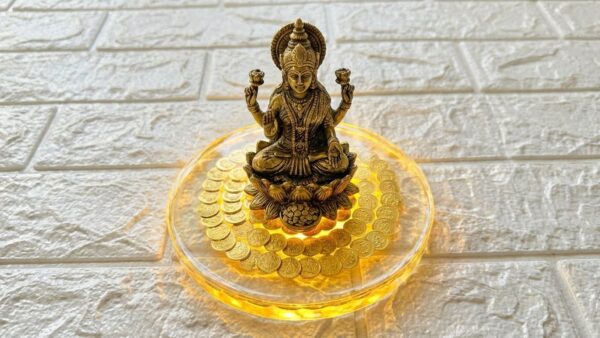
Lakshmi Peeta Idol Stand with 108 Lakshmi Kubera Coins
Original price was: ₹2,699.00.₹1,499.00Current price is: ₹1,499.00.
Frequently Asked Questions on Vastu for God Idols
1. Can I keep God idols in my bedroom?
Generally, it is advised not to keep idols in the bedroom as it is a space for rest and intimacy. However, if you live in a studio apartment or have space constraints, place the temple in the North-East corner and use a curtain to cover the altar when you are sleeping.
2. Which side should Goddess Lakshmi be placed?
According to Vastu, Goddess Lakshmi should always be placed to the right of Lord Ganesha. This is because, in Hindu tradition, a wife sits to the left, but since Lakshmi is considered the “Giver of Wealth” and not the spouse of Ganesha, she takes the position of honor on the right.
3. Is it okay to keep photos of deceased ancestors in the Pooja room?
No. Vastu Shastra clearly distinguishes between divine energy and ancestral energy. Photos of late family members should not be kept in the Pooja room or alongside God idols. Instead, place them on the South or South-West wall.
4. How many idols of the same God can I keep?
It is best to avoid keeping more than one idol of the same deity in the same room. Having two or more idols of the same God is said to create a “clash of energies” and may disturb the peace of the household.
5. In which direction should the Deepam (Lamp) be placed?
The Deepam or Diya should always be placed on the right side of the person performing the pooja. Lighting a lamp facing East is believed to bring good health, while facing North brings wealth.
6. Can we keep idols made of any material?
While idols can be made of gold, silver, copper, or brass, clay and marble are considered very Sattvic (pure). Avoid idols made of plastic or broken glass. If you use resin-based art or pedestals, ensure they are kept clean and are made with high-quality, non-toxic materials.
7. What should I do if an idol gets damaged?
A cracked or broken idol (called a Khandit idol) should never be kept in the house as it is believed to attract negative energy. The correct procedure is to wrap it in a clean cloth and immerse it in a flowing water body (Nadi Visarjan) or bury it under a Peepal tree.