
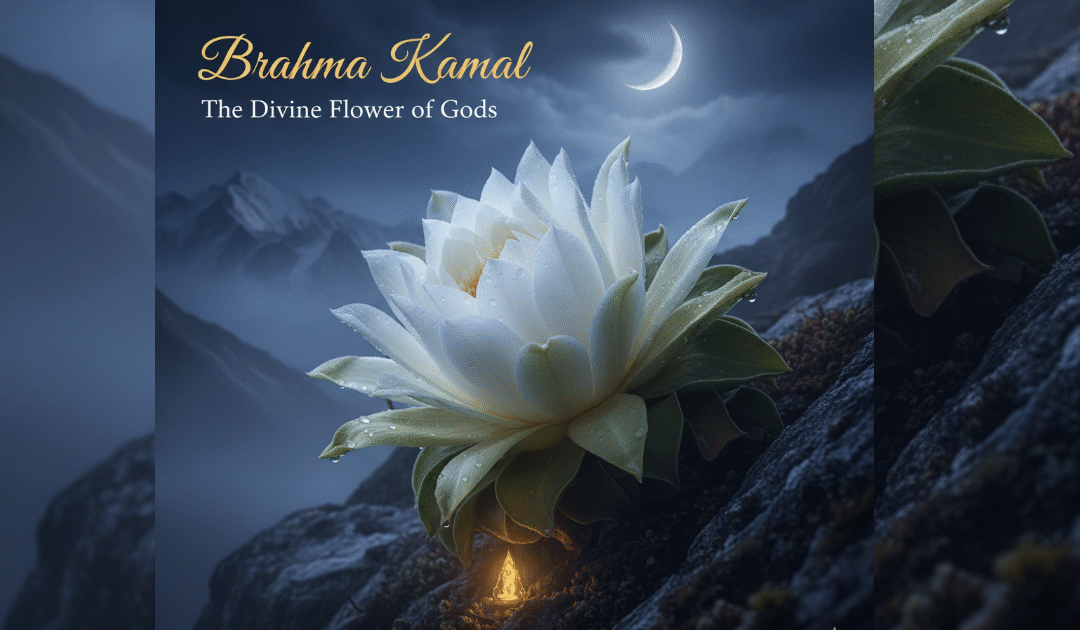
India is home to countless sacred plants and flowers, each carrying spiritual and cultural significance. Among them, the Brahma Kamal stands out as one of the most revered. Known as the “King of Himalayan Flowers,” Brahma Kamal is deeply connected to mythology, spirituality, and rare natural beauty.
In this post, we will explore what Brahma Kamal is, its religious importance, where it grows, and why it is considered so special.
Meaning of Brahma Kamal
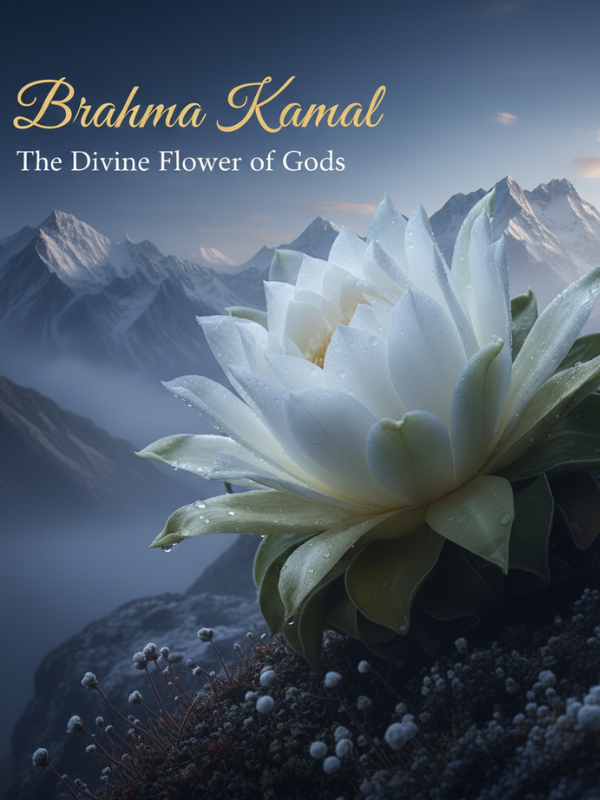
The name “Brahma Kamal” comes from Lord Brahma, the creator in Hindu mythology, and Kamala, meaning lotus. However, unlike the typical lotus, the Brahma Kamal is actually a rare flowering plant that blooms only under special conditions.
- Scientific Name: Saussurea obvallata
- Family: Asteraceae
- Habitat: Found in the Himalayan region at altitudes between 3,000–4,600 meters
It is the state flower of Uttarakhand and is admired for its pristine beauty and spiritual significance.
Brahma Kamal Spiritual & Religious Significance
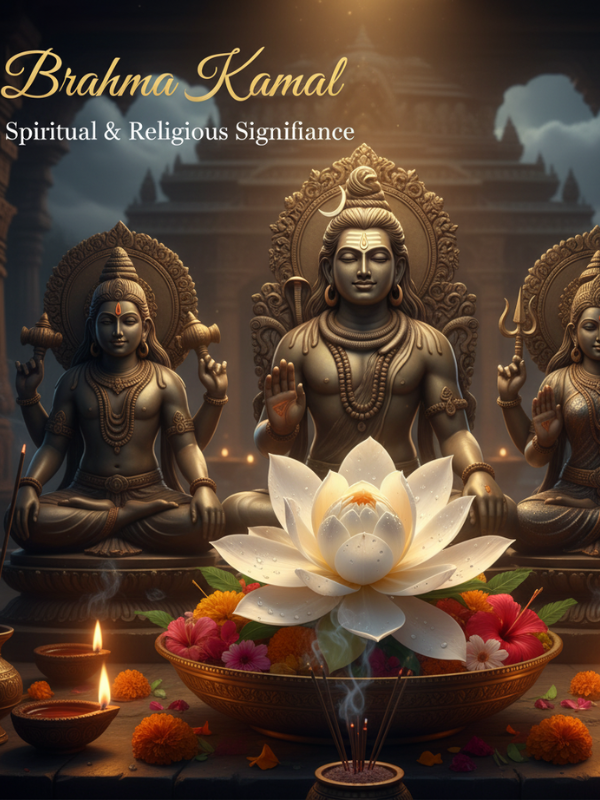
The Brahma Kamal is considered a sacred flower in Hinduism. It is often offered to gods during puja, especially to Lord Vishnu, Lord Shiva, and Goddess Nanda Devi.
- 🌸 Symbol of Creation – Associated with Lord Brahma, it represents the birth of the universe.
- 🌸 Flower of the Gods – Mythology says it blooms in the heavenly abode of the gods.
- 🌸 Auspicious Bloom – The flower blooms rarely at night, making it a symbol of good fortune, purity, and divine blessings.
- 🌸 Medicinal Value – Traditional healers in the Himalayas use parts of the plant for their therapeutic properties.
The Rare Night Bloom of Brahma Kamal
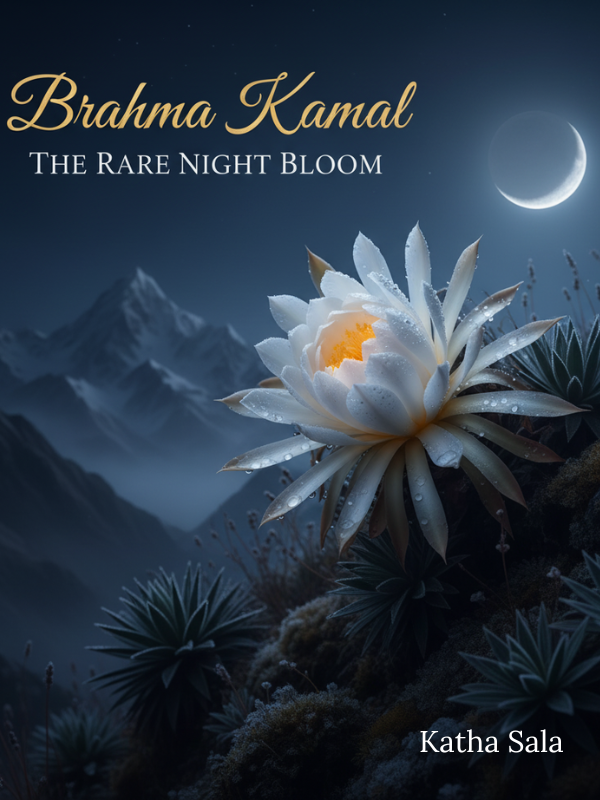
One of the most fascinating features of Brahma Kamal is its rare blooming cycle:
- It blooms only once a year, usually between July and September.
- The flower opens at night and withers before sunrise.
- Witnessing its bloom is considered highly auspicious, and many believe it brings blessings of prosperity and good luck.
This rare event adds to the flower’s mystical aura and makes it one of the most sought-after sacred plants.
Where is Brahma Kamal Found?
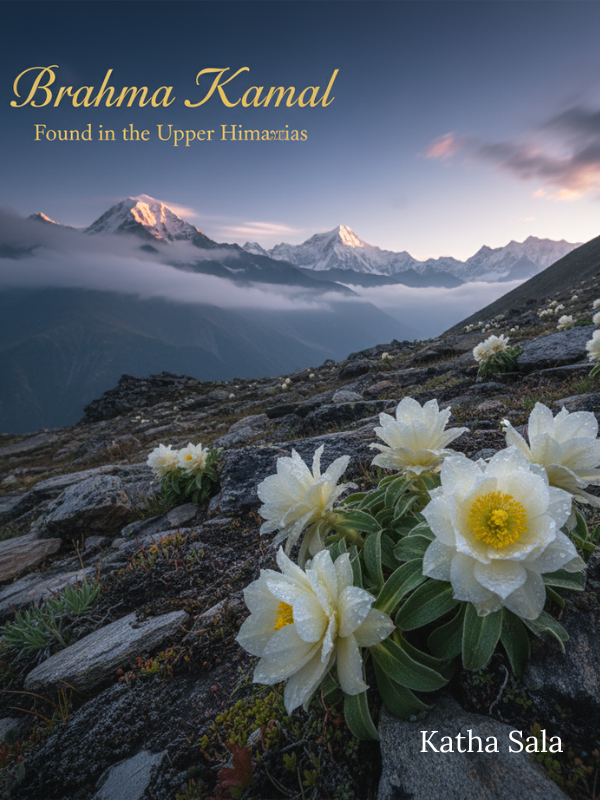
- Naturally found in the upper Himalayan regions of Uttarakhand, Himachal Pradesh, and Tibet.
- It grows in rocky terrains and high-altitude meadows.
- Due to its rarity and over-collection, Brahma Kamal is now a protected species under Indian laws.
Brahma Kamal vs Lakshmi Kamal
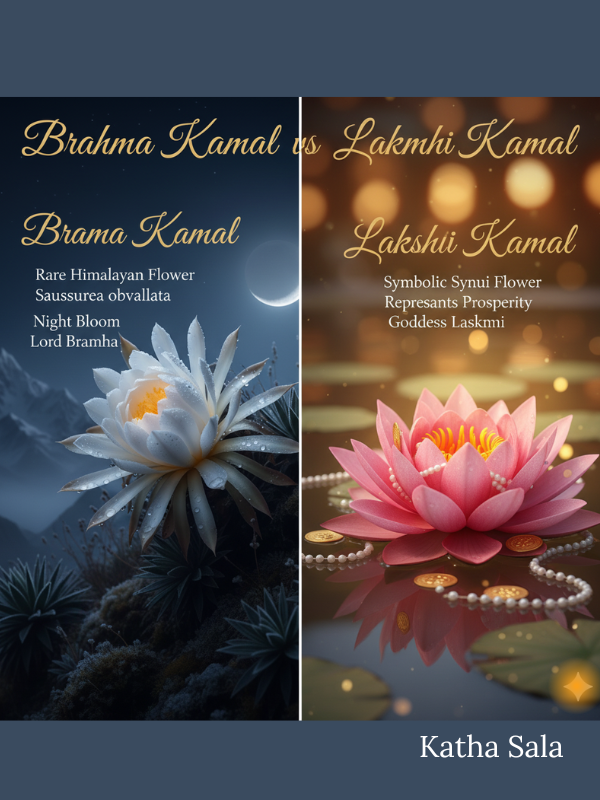
Many people confuse Brahma Kamal with Lakshmi Kamal (the lotus seat of Goddess Lakshmi). Here’s the difference:
- Brahma Kamal – A rare Himalayan flower (Saussurea obvallata), blooms at night, associated with Lord Brahma.
- Lakshmi Kamal – The symbolic lotus flower associated with Goddess Lakshmi, representing prosperity and abundance.
Both are sacred, but they hold different spiritual meanings.
Why is Brahma Kamal Special?
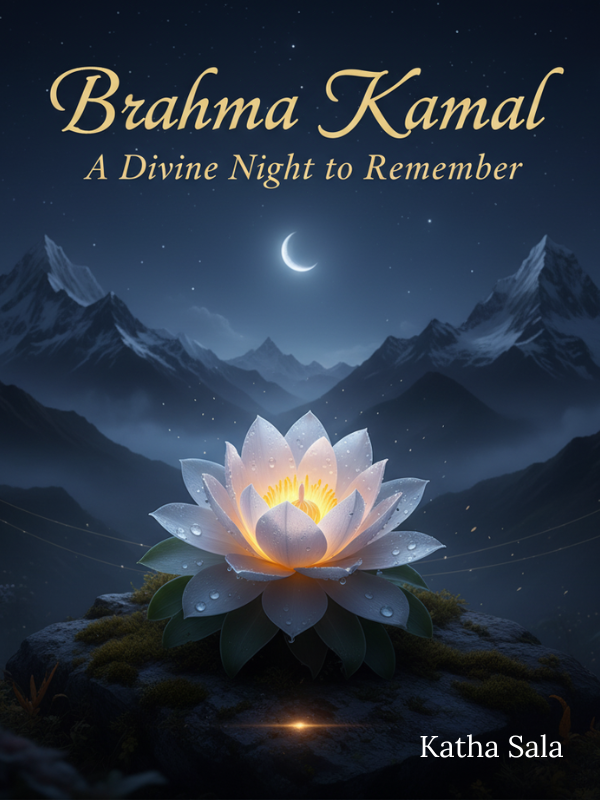
- Rare and beautiful, blooms only at night
- Deeply tied to Hindu mythology and rituals
- Believed to bring divine blessings and good fortune
- Used in temples and religious ceremonies in the Himalayas
Final Thoughts: The Brahma Kamal is not just a flower—it is a living symbol of divinity, purity, and creation. Its rare bloom and deep connection to Indian mythology make it one of the most sacred and mystical flowers in the world.
For spiritual seekers and nature lovers alike, the Brahma Kamal is a reminder of how nature connects us to the divine.
Frequently Asked Questions about Brahma Kamal
1. What is Brahma Kamal?
2. Why is Brahma Kamal so special?
3. Where is Brahma Kamal found?
4. Is Brahma Kamal the same as a lotus?
5. When does Brahma Kamal bloom?
6. Can Brahma Kamal be grown at home?
7. Is Brahma Kamal endangered?
8. What is the difference between Brahma Kamal and Lakshmi Kamal?
Lakshmi Kamal: A lotus flower associated with Goddess Lakshmi, symbolizing wealth and prosperity.
Both are sacred but hold different spiritual significance.